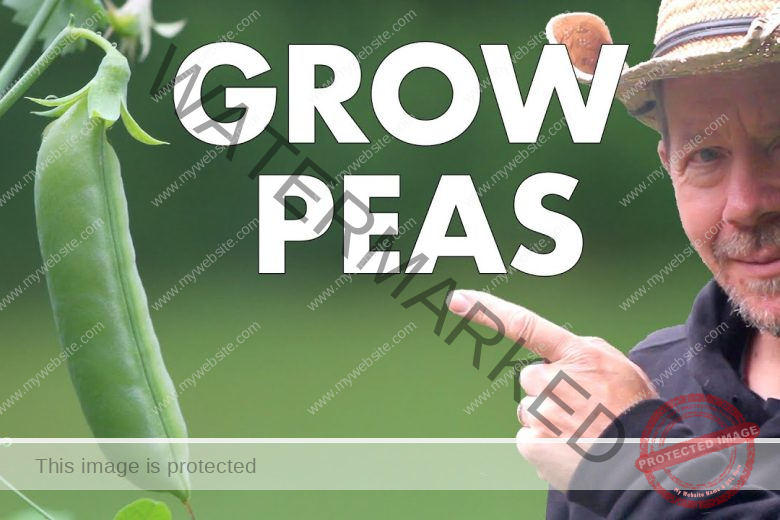
 Adewebs
The first time I planted sugar snap peas, I honestly did not expect much. I tucked those seeds into the soil on a cool morning when winter was just starting to loosen its grip. The garden still looked bare and tired, and I remember thinking, will anything even come up this early? A few weeks later, thin green shoots pushed through the soil like they had somewhere important to be. That moment hooked me. Sugar snap peas have a way of reminding you that gardening rewards patience, especially when you give the soil a chance to work its quiet magic.
Sugar snap peas are one of those crops that feel generous. You plant a handful of sugar snap pea seeds, and before long, you are harvesting crisp pods that rarely make it back into the house because you keep eating them right there in the garden. They grow fast, taste better than anything from the store, and welcome the growing season with open arms. For farm owners and backyard growers alike, they are often the first real harvest of the year, and that alone makes them special.
If you have ever stood in your garden wondering what to plant that feels both easy and rewarding, sugar snap peas might be your answer. They do not demand perfection. They just ask for cool weather, decent soil, and a little support to climb. In return, they give you sweet crunch, steady harvests, and that quiet pride that comes from growing something well. Let us walk through how to plant and grow sugar snap peas in your garden, the way a grower would explain it over a fence or while sharing a cup of coffee.
What Makes Sugar Snap Peas So Popular
Sugar snap peas sit comfortably between shelling peas and snow peas. You eat the whole pod, peas and all, and that pod stays tender and sweet when picked at the right time.
They thrive in cooler weather, which means they fill a gap when many other vegetables are still waiting for warmth. This makes them perfect for early spring or even fall planting in mild climates.
From a grower’s perspective, they also make good use of vertical space. With a simple trellis, they grow upward instead of sprawling, which keeps the garden neat and productive.
Choosing the Right Sugar Snap Pea Seeds
Start with quality sugar snap pea seeds. Fresh seeds germinate better and produce stronger plants.
Look for varieties known for sweetness and disease resistance. Many seed packets include notes on pod size, vine height, and days to maturity, which helps with planning.
If you save seeds from previous seasons, make sure they are fully dry and stored properly. Old or poorly stored seeds can lead to patchy germination.
When to Plant Sugar Snap Peas
Sugar snap peas love cool soil. As soon as the ground can be worked and daytime temperatures stay above freezing, it is usually safe to plant.
They prefer soil temperatures around 45 to 65 degrees. Planting too late in warm weather often leads to weak plants and fewer pods.
In many gardens, this means planting four to six weeks before the last frost date. Trust the season more than the calendar.
Preparing the Soil
Peas are not heavy feeders, but they do appreciate good soil structure. Loose, well draining soil helps roots grow quickly.
Work compost into the planting area before sowing. This improves drainage and adds gentle nutrition.
Avoid adding too much nitrogen. Peas fix their own nitrogen and too much can result in leafy growth with fewer pods.
How to Plant Sugar Snap Peas Step by Step
Plant seeds about one inch deep and two inches apart. Rows can be spaced about eighteen inches apart.
Water the soil gently after planting. Keep it moist but not soggy until seedlings emerge.
Seeds usually sprout within seven to fourteen days, depending on soil temperature.
Providing Support for Growing Vines
Sugar snap peas climb using tendrils. They need something to grab onto early.
Simple trellises, netting, or even sticks arranged in a teepee shape work well.
Installing support at planting time prevents root disturbance later and keeps plants upright as they grow.
Watering the Right Way
Consistent moisture is important, especially during flowering and pod formation.
Water deeply once or twice a week rather than frequent shallow watering.
Mulching around plants helps retain moisture and keeps roots cool as temperatures rise.
Feeding Sugar Snap Peas
Peas generally do not need much feeding if soil is healthy.
If growth seems slow, a light application of compost tea can help.
Avoid high nitrogen fertilizers, which encourage leaves over pods.
A Familiar Garden Moment
I once left town for a few days in early spring, worried that a late frost would damage my pea seedlings. When I returned, not only had they survived, they had climbed halfway up the trellis. Standing there, muddy boots and all, I realized how resilient these plants really are when planted at the right time.
Managing Pests Naturally
Aphids are the most common pest on sugar snap peas. They cluster on tender growth.
A strong spray of water usually knocks them off. Ladybugs often follow shortly after.
Healthy plants in cool weather experience fewer pest issues overall.
Preventing Common Problems
Poor germination often comes from cold, waterlogged soil. Improve drainage if this happens.
Yellowing leaves can indicate nutrient imbalance or poor soil conditions.
Rotating pea crops each season helps prevent disease buildup in the soil.
Harvesting Sugar Snap Peas
Harvest when pods are plump but still tender. Overripe pods lose sweetness.
Pick regularly to encourage continued production.
Use two hands when harvesting to avoid damaging vines.
How Long Do Sugar Snap Peas Produce
Most varieties produce for several weeks.
Cool weather extends the harvest period, while heat shortens it.
Once plants stop producing, remove them and consider planting a warm season crop in their place.
Growing Sugar Snap Peas in Containers
Containers work well if they are deep enough.
Choose pots at least twelve inches deep with good drainage.
Provide a small trellis or cage for support and keep soil evenly moist.
Saving Seeds From Sugar Snap Peas
Allow pods to fully mature and dry on the plant.
Harvest seeds once pods are dry and brittle.
Store seeds in a cool, dry place for the next season.
Companion Planting With Peas
Peas grow well with carrots, radishes, and lettuce.
Avoid planting near onions or garlic, which can stunt growth.
Companion planting helps maximize space and improves garden balance.
FAQs About Growing Sugar Snap Peas
Do sugar snap peas need full sun
They prefer full sun but tolerate partial shade, especially in warmer climates.
How tall do sugar snap peas grow
Most varieties reach three to six feet with proper support.
Can I plant sugar snap peas in fall
Yes, in mild climates where frost arrives late.
Why are my plants flowering but not producing pods
Heat stress or lack of pollination can reduce pod set.
A Few Practical Tips From the Field
Plant in stages for a longer harvest.
Keep vines picked to prevent plants from slowing down.
Do not rush planting if soil is too wet.
Closing Thoughts From One Grower to Another
Sugar snap peas are one of those crops that quietly teach you to slow down and pay attention. They grow best when the air is cool, the soil is kind, and the gardener shows up consistently but not obsessively. If you plant them at the right time, give them something to climb, and harvest them with care, they will reward you with sweetness that no store shelf can match. There is something deeply satisfying about eating peas straight from the vine while standing in your own garden, and once you experience that, do you not start looking at every spring planting a little differently?