 Adewebs
The first time I planted garlic, I almost did not bother. It was late fall, the beds were tired, and my hands were already stiff from clearing out summer crops. I stood there holding a bulb of garlic, wondering if pushing a few cloves into the soil was really worth the effort. No green shoots would appear for months. No quick reward. Just faith. Looking back now, garlic is one of the crops I would never skip again. It quietly teaches patience, resilience, and the beauty of trusting the seasons.
Garlic has a funny way of fitting into a gardener’s life. You plant it when everything else is winding down. You forget about it for a while. Then, just as winter loosens its grip, those sharp green tips push through the soil as if to say, “I’ve been here all along.” Every spring, that sight still gets me. It feels like a promise kept. If you garden anywhere in the USA, garlic is one of the most dependable crops you can grow, whether you are working a backyard plot or a few raised beds.
If you have ever asked yourself, how do you plant garlic cloves, or wondered how do I harvest garlic without ruining months of effort, you are asking the right questions. Garlic is simple, but it is not careless. It rewards growers who understand timing, soil, and restraint. Let me walk you through how I plant and care for garlic cloves in the USA, the way it actually works in real gardens, with muddy boots, weather surprises, and all.
Understanding Garlic and Why It Loves the US Climate
Garlic grows well across most of the United States because it thrives on seasonal contrast. Cold winters help cloves divide properly. Warm springs fuel leaf growth. Dry summers finish the bulbs.
There are two main types grown in the USA. Hardneck garlic prefers colder regions and produces stiff flower stalks called scapes. Softneck garlic thrives in milder climates and stores longer.
Choosing the right type for your region makes everything easier from the start.
When to Plant Garlic in the USA
Timing is everything with garlic.
In most parts of the USA, garlic is planted in the fall, usually four to six weeks before the ground freezes. This allows roots to form without encouraging heavy top growth.
In colder northern regions, planting often happens in October. In warmer southern areas, late October through November works well.
Spring planting is possible but usually produces smaller bulbs.
Choosing the Right Garlic Bulbs for Planting
Always plant garlic grown for planting, not grocery store garlic.
Seed garlic is healthier, adapted to your climate, and free of growth inhibitors.
Choose large, firm bulbs with tight skins.
Each clove becomes a bulb, so size matters from the very beginning.
Preparing the Soil the Right Way for planting
Here are some of the things you need to do before planting Garlic;
- Garlic loves loose, well draining soil.
- Heavy clay causes rot and poor bulb formation.
- Work compost into the soil before planting to improve structure and nutrients.
- Avoid fresh manure, which promotes leaf growth at the expense of bulbs.
How Do You Plant Garlic Cloves Correctly
To plant Garlic Cloves correctly you need to follow this step to a get better output;
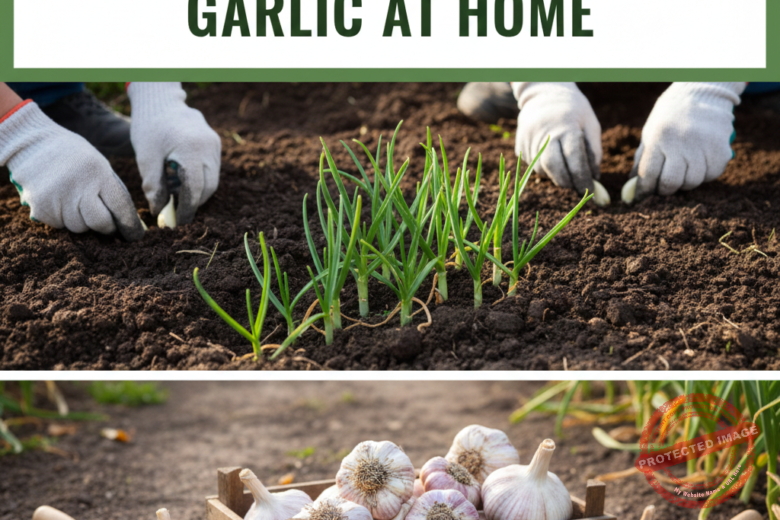
- First, Separate bulbs into individual cloves just before planting.
- Plant cloves pointy side up.
- Place them about two inches deep and six inches apart.
- Rows should be spaced at least one foot apart to allow airflow and bulb expansion.
Mulching Garlic Beds for Winter Protection
- Mulch is garlic’s winter blanket.
- Use straw, shredded leaves, or pine needles.
- Apply mulch after planting to protect cloves from freeze thaw cycles.
- In spring, pull mulch back slightly to allow soil to warm.
What Garlic Needs in Early Spring
- As snow melts and soil warms, garlic wakes up.
- Green shoots appear early, sometimes before you expect them.
- Remove excess mulch so shoots can grow freely.
- This is when garlic starts feeding heavily.
Feeding Garlic for Strong Growth
- Garlic benefits from nitrogen early in the season.
- Apply compost or a balanced organic fertilizer in early spring.
- Avoid heavy feeding later in the season, which can delay bulb formation.
- Healthy leaves equal healthy bulbs.
Watering Garlic Without Overdoing It
- Garlic prefers consistent moisture, not soggy soil.
- Water deeply but infrequently.
- Reduce watering as bulbs mature in late spring.
- Too much water near harvest causes rot and poor storage.
Watching Garlic Leaves for Clues
- Leaves tell you how your garlic is doing.
- Strong upright green leaves signal healthy growth.
- Yellowing from the bottom up is normal later in the season.
- Sudden yellowing early can indicate nutrient or drainage issues.
A Familiar Garlic Growing Moment
One spring, after weeks of steady rain, my garlic leaves started yellowing far too early. I worried I had lost the crop. The soil was waterlogged. Once the rain passed, I gently loosened the soil surface and stopped watering entirely. The plants recovered slowly, and while the bulbs were smaller than usual, they were still usable. Garlic teaches flexibility as much as planning.
Dealing With Weeds in Garlic Beds
- Garlic does not compete well with weeds.
- Weed early and often.
- Mulch helps suppress weed growth.
- Avoid disturbing the soil deeply once garlic is growing.
Garlic Scapes and What to Do With Them
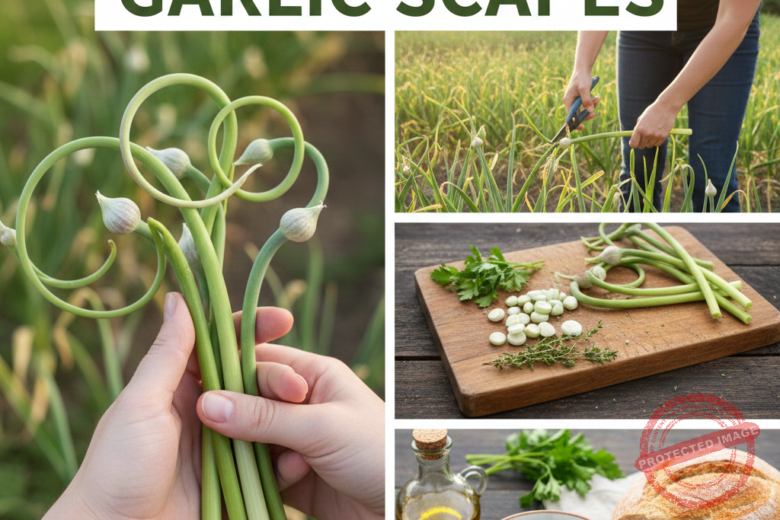
- Hardneck garlic produces scapes in late spring.
- These curly flower stalks should be removed.
- Cutting scapes redirects energy into bulb growth.
- Scapes are delicious sautéed, grilled, or blended into pesto.
When Garlic Stops Growing Leaves
- Garlic leaf growth slows once bulbs begin forming.
- This is normal and expected.
- Do not fertilize heavily at this stage.
- Focus on keeping plants healthy and stress free.
How Do I Harvest Garlic at the Right Time
Harvest timing matters more than most people realize.
Garlic is ready when the lower leaves turn brown but the upper leaves are still green.
Usually this happens in early to mid summer.
Dig gently. Do not pull by the stalk.
Harvesting Garlic Without Damaging Bulbs
Use a garden fork or shovel.
Loosen soil around the bulb before lifting.
Handle bulbs carefully to avoid bruising.
Damage affects storage life.
Curing Garlic for Long Term Storage
Curing is where garlic becomes shelf stable.
Hang plants or lay them in a dry, shaded, well ventilated space.
Allow garlic to cure for two to three weeks.
Skins should feel papery when ready.
Cleaning and Storing Garlic Properly
Once cured, trim roots and cut stems.
Do not wash bulbs with water.
Store garlic in a cool, dry place with airflow.
Avoid refrigeration unless cloves are peeled.
Growing Garlic in Different US Regions
Northern states benefit from heavy winter mulch.
Southern states may need less mulch and later planting.
Coastal regions require extra attention to drainage.
Garlic adapts well when basic needs are met.
Can You Grow Garlic in Containers?
Yes, garlic grows well in containers.
Use deep pots with good drainage.
Space cloves properly.
Containers dry out faster, so monitor moisture.
Common Garlic Growing Mistakes
- Planting too shallow.
- Using grocery store garlic.
- Overwatering late in the season.
- Harvesting too early or too late.
FAQs About Growing Garlic in the USA
How long does garlic take to grow?
About eight to nine months from planting to harvest.
Can I plant garlic in spring?
Yes, but fall planting gives better results.
Why are my garlic bulbs small?
Poor soil, overcrowding, or lack of nutrients are common causes.
Do I need to rotate garlic crops?
Yes. Rotation helps prevent disease buildup.
Saving Garlic for Next Season’s Planting
Select the largest, healthiest bulbs.
Store separately from eating garlic.
Plant these cloves in the fall.
Saving seed garlic improves local adaptation.
Garlic and Weather Challenges
Late frosts rarely harm garlic.
Excessive rain causes more damage than cold.
Drought stress reduces bulb size.
Observation helps you respond in time.
Teaching New Gardeners to Grow Garlic
Garlic is a great beginner crop.
It fits into the quiet season.
It teaches patience.
Success builds confidence for future planting.
Final Thoughts From One Grower to Another
Garlic is not flashy. It does not demand daily attention or constant checking. It works quietly underground while the seasons change above it. That is part of its magic. Planting garlic is an act of trust, a promise you make to yourself that time and care will be rewarded later.
When you lift those bulbs from the soil after months of waiting, there is a deep satisfaction that is hard to explain to anyone who has never grown their own food. You remember the cold day you planted, the snow that covered the bed, the first green shoots of spring, and the slow steady growth that followed. As you plan your next garden season, can you imagine skipping garlic now that you know how dependable and rewarding it can be?