 Adewebs
The funny thing about mint is that most people think it is either impossible to grow or completely uncontrollable. I have heard both complaints more times than I can count. One neighbor swore mint always died on her kitchen windowsill, no matter what she did. Another friend refused to plant it anywhere near his garden after it took over a whole bed like it had signed a long term lease. Indoors, though, mint tells a different story. When you understand its rhythm and respect its personality, it becomes one of the most forgiving and rewarding plants you can grow inside your home.
I still remember the first winter I decided to keep mint indoors. Outside, the garden had gone quiet. The beds were bare, the air was cold, and my hands missed the feel of green life. I brought a small mint cutting inside, more out of curiosity than confidence. I placed it near a window, watered it carefully, and hoped for the best. Weeks later, I was pinching fresh leaves for tea while snow sat outside the glass. That small success changed how I looked at indoor growing forever.
If you are wondering how to grow and care for mint plant indoors without turning your home into a jungle or a graveyard for herbs, you are in the right place. This is not about perfection. It is about understanding what mint needs, what it tolerates, and how to enjoy it without stress. Whether you want fresh leaves for cooking, tea, or simply the smell of something alive in your space, mint is willing to meet you halfway if you let it.
Why Mint Is Perfect for Indoor Growing
Mint is naturally resilient. It grows fast, recovers quickly from mistakes, and does not demand fancy equipment to thrive. That alone makes it ideal for indoor growers.
Another reason mint works well indoors is control. Outside, mint spreads through runners and takes over. In a pot, it stays where you put it. No surprises.
Indoors also protects mint from harsh weather, pests, and sudden temperature drops. You get fresh growth year round with much less effort.
Choosing the Right Mint Variety for Indoors
Not all mint varieties behave exactly the same, but most do well indoors. Spearmint and peppermint are the most common and forgiving choices.
Chocolate mint, apple mint, and lemon mint also grow well in containers. They offer interesting flavors and scents without extra care.
When starting out, I always recommend spearmint. It adapts easily and shows problems early, which helps you learn faster.
Starting Mint Indoors From Cuttings or Plants
The easiest way to grow mint indoors is from a cutting or a nursery plant. Seeds work too, but they take longer and are less predictable.
To root a cutting, place a healthy stem in water and wait for roots to form. This usually takes one to two weeks.
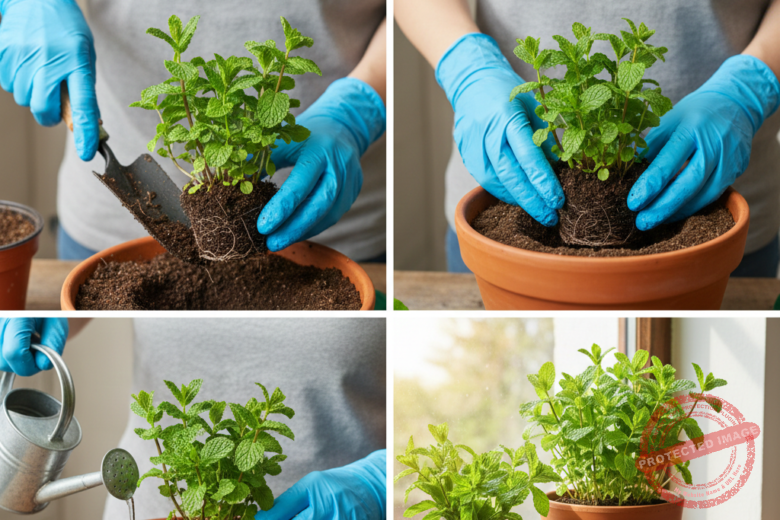
Once roots appear, plant it in soil and keep it lightly moist. Watching roots grow is oddly satisfying and builds confidence.
Choosing the Right Pot and Soil
Mint likes room for its roots but does not need an oversized container. A pot eight to ten inches wide works well.
Always choose a pot with drainage holes. Mint dislikes soggy soil more than slightly dry conditions.
Use a loose, well draining potting mix. Adding a bit of compost helps, but avoid heavy garden soil indoors.
Where to Place Your Mint Plant Indoors
Light matters, but mint is flexible. A bright window with indirect sunlight is ideal.
Many people ask, does mint need full sun to grow indoors. The answer is no. Mint prefers bright light but can struggle under harsh direct sun through glass.
East or north facing windows work beautifully. South facing windows may need sheer curtains to soften the light.
Understanding Light Needs Without Overthinking
Mint will tell you how it feels. Leggy growth means it wants more light. Pale leaves mean stress.
Rotate the pot every few days to keep growth even. Plants lean toward light, just like people lean toward warmth.
If natural light is limited, a small grow light for a few hours a day makes a huge difference.
Watering Mint Without Drowning It
Mint likes evenly moist soil but not wet roots. This balance is easier than it sounds.
Water when the top inch of soil feels dry. Stick your finger in the soil instead of following a schedule.
Overwatering causes yellow leaves and root rot. Underwatering causes wilting, which mint recovers from more easily.
Feeding Mint Indoors
Mint is not a heavy feeder. Too much fertilizer leads to fast growth with weak flavor.
A light feeding once a month with a balanced liquid fertilizer is plenty.
I often rely on compost mixed into the soil and skip additional feeding entirely.
Pruning and Harvesting Mint the Right Way
Regular pruning keeps mint bushy and productive. If you let it grow tall without cutting, it becomes leggy.
Always cut just above a leaf node. This encourages new branches.
Harvest often but never remove more than one third of the plant at a time.
A Relatable Indoor Growing Moment
One winter evening, I forgot to water my indoor mint for several days. The leaves drooped dramatically, like the plant was making a point. I watered it deeply, expecting the worst. By morning, it had bounced back like nothing happened. That moment taught me how forgiving mint really is and why it is such a good teacher for indoor growers.
Managing Pests Indoors
Indoor mint rarely gets pests, but it can happen. Aphids and spider mites are the most common.
Regularly inspect the undersides of leaves. Early detection makes control easy.
A gentle rinse with water or a mild soap spray usually solves the problem.
Controlling Growth Indoors
Mint grows fast, even indoors. That is a good thing if you like fresh leaves.
If growth gets out of hand, prune aggressively. Mint responds well to cutting.
Repotting once a year refreshes the soil and keeps the plant healthy.
Seasonal Changes and Indoor Mint
Mint slows down slightly in winter due to reduced light. This is normal.
Reduce watering and feeding during darker months.
As days get longer, growth picks up naturally without intervention.
How to Use Fresh Indoor Mint
Fresh mint elevates simple meals. Teas, salads, sauces, and desserts all benefit.
Even rubbing a leaf between your fingers releases a calming scent.
Growing your own mint indoors turns everyday moments into small pleasures.
FAQs About Growing Mint Indoors
Does mint need full sun indoors?
No, bright indirect light works best and prevents leaf burn.
Can mint grow indoors year round?
Yes, with proper light and care, mint grows all year.
Why are my mint leaves turning yellow?
Usually caused by overwatering or poor drainage.
How often should I harvest mint?
Weekly harvesting keeps the plant productive and healthy.
How to Care for Mint Plant Indoors Long Term
Consistency matters more than perfection. Light, water, and occasional pruning go a long way.
Mint forgives mistakes quickly, which builds confidence.
Pay attention and adjust instead of following rigid rules.
A Final Word From One Grower to Another
Growing mint indoors is less about technique and more about relationship. You learn to read the plant, respond to its needs, and enjoy what it gives back. A pot of mint on a windowsill is a reminder that growth does not stop just because seasons change. As you look at your own space and imagine fresh green leaves within reach, what kind of indoor garden do you want to grow for yourself?