 Adewebs
I still remember the first time I planted garlic at home. It was not some grand plan or carefully measured experiment. It started with a few leftover cloves sitting on my kitchen counter, already sprouting little green shoots like they were begging for a second chance. I had been farming for years, but garlic felt different. Maybe because it grows quietly, mostly underground, trusting you to get a few key things right and then leave it alone. If you have ever wondered whether garlic is worth the space in your garden, let me tell you this. It is one of the most forgiving and rewarding crops you can grow. You plant it once, protect it well, and months later you pull up something that smells like real food, not the bland stuff from the store.
Growing garlic at home teaches patience in a gentle way. You plant in the cool months when the garden feels sleepy, when neighbors think you are done for the year. Then you wait. Winter passes. Spring arrives. Suddenly green shoots push through the soil like they never doubted you for a second. That feeling never gets old. I have grown garlic in raised beds, in open fields, and even along the edge of a neglected plot that barely got attention. Each time, it surprised me. If you are a gardener who likes crops that do not demand daily babysitting, garlic might become your quiet favorite.
This guide is written for gardeners who want honest advice, not textbook theory. I am talking to you the way I would talk to someone standing next to me in the field, boots muddy, hands already smelling faintly of soil. We will talk about choosing cloves, planting depth, watering habits, and why mulching garlic properly can make or break your harvest. You will also hear a few real moments from my own garden, because mistakes teach better than perfection. Ready to grow garlic that actually tastes like garlic should?
15 Tips for Growing Garlic at Home (For Gardeners)
Here are 15 Tips for Growing Garlic at Home;
Tip 1. Start with the Right Garlic
Not all garlic is created equal, and this is where many beginners trip up. Grocery store garlic often looks tempting, but it is usually treated to prevent sprouting. That means weak growth or no growth at all. Always start with seed garlic from a trusted grower or local market. These cloves are selected for planting and adapted to grow well. When you plant good garlic, you give yourself a head start before the soil even settles.
Tip 2. Choose a Sunny Spot That Drains Well
Garlic loves sunlight, plain and simple. Pick a spot that gets full sun for most of the day and drains well after rain. Garlic hates wet feet. If water pools in your garden beds, your cloves may rot before they ever grow. I once planted garlic in a low spot thinking it would be fine. It was not. The bulbs were small and some never made it. Lesson learned.
Tip 3. Prepare the Soil Like You Mean It
Healthy soil is where garlic shows its gratitude. Loosen the soil deeply and mix in compost or well rotted manure. Garlic forms its bulbs underground, so compacted soil limits growth. Think of it like giving the bulbs room to stretch. When the soil is soft and rich, garlic responds with bigger, better heads.
Tip 4. Plant Individual Cloves Not Whole Bulbs
This sounds obvious, but you would be surprised how often people get it wrong. Break the bulb apart carefully and plant each clove on its own. Leave the papery skin intact. That skin protects the clove as it settles into the soil. Damaged cloves often rot or grow weak plants.
Tip 5. Plant at the Right Depth
Depth matters more than many gardeners realize. Plant cloves about two inches deep with the pointed end facing up. Too shallow and they may heave out of the soil during freeze and thaw cycles. Too deep and growth can be slow. Getting this right helps the plant establish strong roots early.
Tip 6. Space Garlic for Future Growth
Garlic needs breathing room. Space cloves about six inches apart in rows. Crowding garlic leads to small bulbs and frustration at harvest time. When I first started, I planted too close because I wanted more garlic. I ended up with more plants but less usable garlic. Give each clove space and it will repay you.
Tip 7. Water Gently but Consistently
Garlic does not need constant watering, but it does need consistency. Water deeply after planting and then only when the soil is dry. Overwatering leads to rot. Underwatering leads to stress. A calm, steady routine works best. Think of garlic as low maintenance but not neglected.
Tip 8. Mulching Garlic Is a Game Changer
Mulching garlic protects it through cold weather and helps regulate soil moisture. Use straw, dry leaves, or grass clippings. Lay it thick. This mulch keeps weeds down and soil temperatures stable. In my garden, mulched garlic always outperforms unmulched beds. It is one of the simplest ways to boost success.
Tip 9. Do Not Panic During Winter
Garlic often looks unimpressive in winter. Sometimes it even disappears under mulch and snow. This is normal. Garlic is tough. It is building roots while you sleep. Resist the urge to dig or fuss. Trust the process. Spring will reward your patience.
Tip 10. Feed Lightly in Spring
When green shoots appear in spring, garlic appreciates a little nutrition. A light feeding with compost tea or organic fertilizer helps boost leaf growth. Strong leaves mean bigger bulbs later. Do not overdo it. Garlic prefers steady support, not heavy feeding.
Tip 11. Keep Weeds Under Control
Garlic does not like competition. Weeds steal nutrients and water, especially early in the season. Hand weed gently so you do not disturb shallow roots. Mulch helps a lot here. A clean garlic bed grows stronger and looks better too.
Tip 12. Watch the Leaves for Clues
Garlic tells you how it feels if you pay attention. Yellowing leaves early can mean too much water. Weak growth can mean poor soil. Healthy garlic leaves stand tall and green for most of the season. Observing your plants regularly makes troubleshooting easier.
Tip 13. Stop Watering Before Harvest
As garlic matures, it needs less water. About two weeks before harvest, stop watering completely. This helps the bulbs dry and store better. Wet soil at harvest time can shorten storage life. This small step makes a big difference later.
Tip 14. Harvest at the Right Time
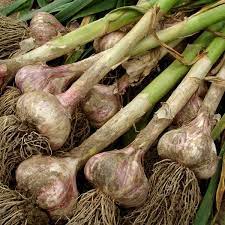
Timing harvest is more art than science. When the lower leaves turn brown but the upper leaves are still green, garlic is ready. Dig gently. Do not pull by the stem. Pulling can break the bulb. This moment feels special every time, like opening a gift you planted months ago.
Tip 15. Cure Garlic for Long Storage
After harvest, garlic needs curing. Lay bulbs in a shaded, airy place for two to three weeks. Do not wash them. Let the outer skins dry naturally. Once cured, trim roots and store in a cool, dry place. Proper curing turns garlic into a long lasting kitchen staple.
A Real Garden Moment
One year, I rushed garlic harvest because rain was coming. I pulled bulbs too early and stored them damp. They spoiled faster than I want to admit. That mistake taught me patience and respect for timing. Garlic rewards calm decisions. When you slow down and observe, it gives back generously.
How to Plant Garlic Step by Step
Start with quality garlic cloves and healthy soil. Plant in fall or early winter depending on your climate. Space cloves properly and mulch well. Water lightly and let nature do most of the work. Spring growth leads to summer harvest. Simple steps, steady rewards.
How to Care for Garlic Through the Season
Care is mostly about watching, not doing. Water when dry. Weed when needed. Feed lightly in spring. Stop watering before harvest. Garlic thrives when you support it quietly rather than hovering.
FAQs About Growing Garlic at Home
How long does garlic take to grow?
Garlic usually takes eight to nine months from planting to harvest depending on climate.
Can I grow garlic in containers?
Yes, as long as the container is deep and drains well. Space still matters.
Why are my garlic bulbs small?
Common reasons include poor soil, crowding, or harvesting too early.
Does garlic come back every year?
Garlic is usually grown as an annual, but missed cloves can sprout the following season.
Is mulching garlic really necessary?
It is not required, but it greatly improves results by protecting soil and reducing weeds.
In Conclusion
Growing garlic at home connects you to the slow rhythm of real gardening. It teaches trust, patience, and attention in quiet ways. When you cook with garlic you grew yourself, the flavor feels deeper, almost personal. If you have garden space and a little curiosity, why not give garlic a place this season and see what it teaches you along the way?