 Adewebs
Mint is one of those plants that feels friendly from the very first day. It grows fast, smells amazing, and forgives a lot of beginner mistakes. Still, transplanting mint is where many gardeners get nervous. I have seen it happen over and over again. Someone grows mint successfully in one spot, decides to move it, and suddenly the plant looks shocked, droopy, or angry. The truth is, mint is tough, but it still needs to be moved with care. After years of growing herbs on my farm, I have learned that transplanting mint is less about strength and more about timing, gentleness, and understanding how its roots behave.
I remember one spring morning when a neighbor walked over holding a clump of mint seedlings in a bucket. He had dug them up in a rush because they were spreading too fast near his tomatoes. The roots were exposed, the leaves were wilting, and he looked genuinely worried. We replanted them together, watered slowly, shaded them for a few days, and within a week those plants bounced back like nothing had happened. That moment stuck with me because it showed how forgiving mint can be when you give it the right conditions. Transplanting does not have to be stressful, even if it is your first time.
This guide is written the way I would explain it to someone standing beside me in the garden. No complicated jargon. No rushed steps. Just real advice that works whether you are moving mint from a pot to the ground, from one bed to another, or dividing a crowded patch. We will talk about when to transplant, how to lift mint without damaging the roots, how to prepare the new location, and how to help mint settle in without shock. If you have mint seedlings that need a new home, you are in the right place.
Why Transplanting Mint Is Sometimes Necessary
Mint spreads fast. That is part of its charm and also its biggest problem. Left alone, it can take over garden beds, walkways, and even cracks in the soil. Transplanting helps you control where mint grows and keeps it healthy. Crowded mint plants compete for nutrients, water, and airflow. Moving them gives the roots room to breathe and encourages fresh growth.
Best Time to Transplant Mint
Timing matters more than most people think. The best time to transplant mint is early spring or early fall. During these periods, temperatures are mild and plants are not under stress. Avoid transplanting during extreme heat. Hot sun pulls moisture from leaves faster than roots can replace it. If you must transplant in summer, do it early in the morning or late in the evening.
Choosing the Right Spot Before You Dig
Always prepare the new location before lifting mint. This simple habit prevents roots from drying out. Mint prefers partial sun to full sun with moist but well drained soil. It tolerates shade better than many herbs. If planting in the ground, choose a spot where you can control spread. If planting in containers, pick a pot with drainage holes and enough depth for roots to stretch.
How to Prepare the Soil for Mint
Mint loves rich soil. Loosen the soil and mix in compost or well rotted organic matter. The soil should feel soft, not compacted. Mint roots spread sideways, so loose soil helps them establish quickly. Good soil preparation reduces transplant shock and speeds up recovery.
Step by Step Guide to Transplant Mint
Start by watering the mint plant a few hours before transplanting. Moist soil holds together and protects roots. Use a garden fork or shovel to loosen soil around the plant. Dig wide, not deep. Lift the plant gently, keeping as much of the root system intact as possible. Shake off excess soil lightly. Do not wash roots.
Dividing Mint During Transplant
Mint is easy to divide. If the plant is large, gently pull it apart into smaller sections. Each section should have healthy roots and several stems. Dividing keeps mint productive and prevents overcrowding. This is also a great way to share mint with friends or expand your garden.
Transplanting Mint Seedlings Carefully
Mint seedlings are more delicate than established plants. Handle them by the root ball, not the stem. Plant them at the same depth they were growing before. Planting too deep can slow growth. Planting too shallow can expose roots. Press soil gently around the base to remove air pockets.
Watering After Transplanting
Water deeply right after transplanting. This helps soil settle around roots and removes air gaps. Keep soil consistently moist for the first week. Avoid flooding. Mint likes moisture but does not like sitting in water. Gentle, regular watering helps roots adjust to their new environment.
Providing Shade After Transplant
Newly transplanted mint benefits from temporary shade. Use a cloth, garden fabric, or nearby plants to block harsh sun for a few days. Shade reduces stress and prevents wilting. Once the plant shows signs of new growth, you can remove the shade.
Signs of Transplant Shock and What to Do
Wilting leaves are common after transplanting. Do not panic. Check soil moisture and provide shade. Avoid fertilizing immediately. Let the plant settle before feeding. Mint usually recovers within a week when given time and care.
Growing Mint in Containers After Transplant
Containers are a smart choice for mint. They control spread and make harvesting easy. Choose a pot at least twelve inches wide. Use quality potting mix and water regularly. Container grown mint dries out faster than ground planted mint, so check moisture often.
Transplanting Mint Indoors
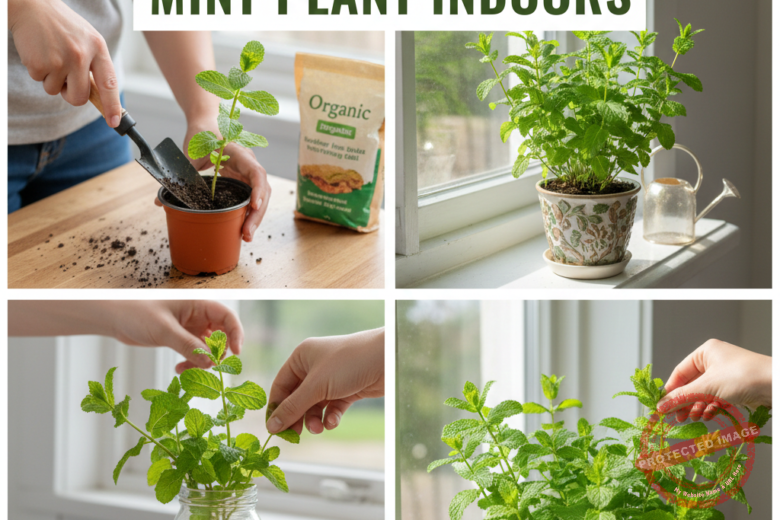
Mint adapts well to indoor growing. Choose a bright window with indirect light. Transplant into a container with drainage. Indoor mint prefers consistent watering and good airflow. Rotate the pot weekly so growth stays even.
A Real Garden Scenario
One summer, I moved mint seedlings from a crowded bed into containers for the kitchen porch. I underestimated how quickly the sun dried them out. Leaves drooped within hours. After moving the pots into partial shade and watering deeply, they recovered. That small mistake reminded me that transplanting is not just about roots but also about environment.
How Long Does Mint Take to Recover After Transplanting
Mint usually shows new growth within one to two weeks. Recovery speed depends on weather, soil quality, and watering. Be patient. Avoid heavy harvesting until the plant is fully established. Strong roots lead to better flavor and growth.
When to Harvest Mint After Transplanting
Wait until you see healthy new leaves before harvesting. Pinch tips gently to encourage bushier growth. Avoid cutting more than one third of the plant at a time. This keeps mint productive and stress free.
Common Mistakes When Transplanting Mint
Here are some mistakes I made during my first mint transplanting;
- Digging too close damages roots.
- Transplanting during heat stresses plants.
- Forgetting to water deeply slows recovery.
- Planting in poor soil leads to weak growth.
- Each mistake is avoidable with simple planning.
FAQs About Transplanting Mint
Can mint be transplanted anytime?
It can survive most moves, but spring and fall give best results.
Do mint seedlings transplant well?
Yes, when handled gently and watered properly.
Should I fertilize after transplanting?
Wait two weeks before feeding to avoid stressing roots.
Will mint die after transplanting?
Rarely. Mint is resilient when given moisture and shade.
Can I transplant mint from ground to pot?
Absolutely. This is a common way to control spread.
In Conclusion
Transplanting mint is less about perfect technique and more about care and observation. Slow down. Watch how the plant responds. Adjust as needed. Mint will usually meet you halfway and then some. If you are standing in your garden right now wondering whether to move that mint plant, why not give it a careful new home and see how well it rewards your effort?