 Adewebs
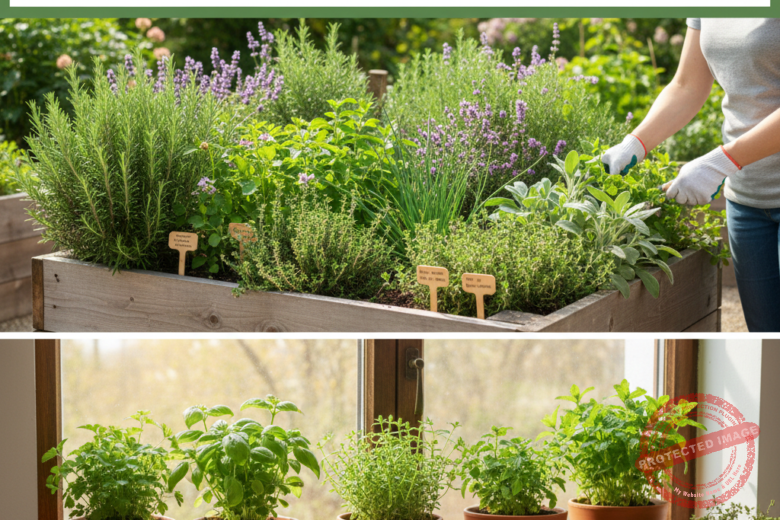
There is something deeply satisfying about growing herbs in containers. Maybe it is the way you can step outside, snip a few leaves, and instantly upgrade dinner. Or maybe it is the quiet pride that comes from keeping a plant alive in a pot when you once thought you had no time or space to garden. I have grown herbs in big raised beds, along fence lines, and tucked between rows of vegetables, but container herbs always feel the most personal. They sit close to the house, close to the kitchen, and close to everyday life. You notice them more. You tend them more. And somehow, they tend to you right back.
In the USA, container herb gardening makes sense for so many reasons. Our climates vary wildly. One state is battling drought while another is drowning in rain. Some folks have sprawling yards, others have balconies, patios, or a single sunny window. Containers level the playing field. They let you control soil, drainage, sunlight, and even temperature in a way that ground planting does not always allow. Over the years, I have watched neighbors who swore they could not grow anything successfully harvest bowls of fresh herbs just by starting small and choosing the right plants.
If you have ever wondered which herbs actually thrive in pots, which ones forgive missed waterings, and which give the biggest reward for the least fuss, you are in the right place. This guide is built from seasons of trial, error, and quiet victories. We are talking about the 10 best herbs for container growing in USA, why they work so well, and how you can grow them with confidence even if your space is limited. Because growing herbs should feel joyful, not intimidating, right?
Why container herb gardening works so well
Containers give you control. That is the simple truth. You choose the soil, the pot size, and the placement.
If your yard soil is heavy clay or sandy mess, containers solve that problem instantly.
You can move pots to chase the sun or pull them into shelter during storms or heat waves.
For many people, containers are the easiest way to start growing the best herbs for containers without overthinking it.
What makes an herb good for container growing
Not every herb loves being confined. Some spread aggressively or develop deep root systems.
The best container herbs stay relatively compact and respond well to pruning.
They tolerate occasional stress and bounce back quickly.
Strong aroma and frequent harvest actually help them thrive.
10 Best Herbs for Container Growing in USA
Here are 10 best herbs for container growing you should consider this year;
1. Basil
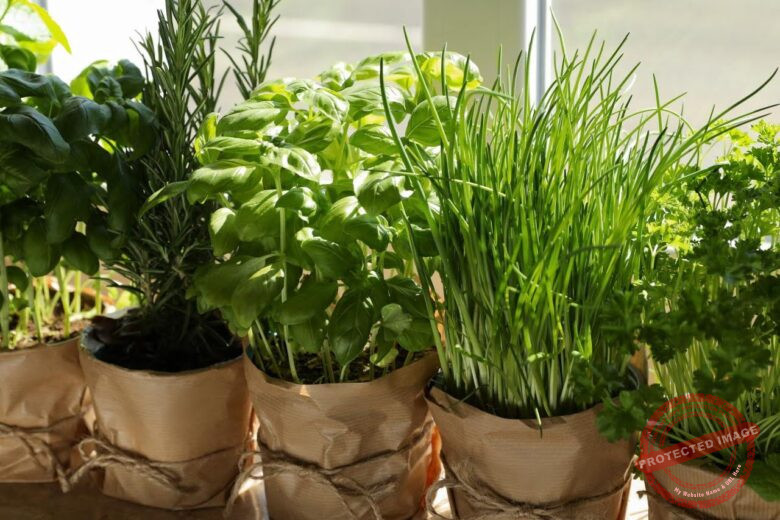
Basil is often the gateway herb. It grows fast and smells incredible.
In containers, basil stays manageable and responds beautifully to regular trimming.
Give it warmth, sunlight, and steady water. It will reward you generously.
I keep a pot right by the kitchen door so I never forget to harvest it.
2. Mint
Mint is famous for taking over gardens. That is exactly why it belongs in a pot.
Containers keep mint contained while still letting it grow lush and full.
It tolerates partial shade and inconsistent watering better than most herbs.
A pot of mint near a seating area makes summer evenings feel cooler somehow.
3. Rosemary
Rosemary loves good drainage, which containers provide easily.
In many parts of the USA, it thrives year round with minimal fuss.
Choose a slightly larger pot to support its woody growth.
I brush my hand over rosemary every time I walk by just for the scent.
4. Thyme
Thyme is tough, compact, and surprisingly forgiving.
It does not need much water once established and prefers to dry out a bit.
Containers help prevent root rot, which thyme dislikes intensely.
A small pot can supply weeks of cooking without looking messy.
5. Parsley
Parsley grows well in containers and tolerates cooler temperatures.
It appreciates consistent moisture and partial sun in hotter regions.
Flat leaf varieties are especially productive in pots.
I always plant extra because parsley disappears faster than expected.
6. Chives
Chives are nearly foolproof. They grow upright and do not crowd neighbors.
They handle container life gracefully and come back year after year in many zones.
The purple flowers attract pollinators and add charm.
Snipping chives feels like the gentlest harvest imaginable.
7. Oregano
Oregano thrives in containers where drainage is reliable.
It prefers full sun and slightly dry soil between waterings.
Container growing keeps it from sprawling too wildly.
A small plant can flavor countless meals over a season.
8. Cilantro
Cilantro works well in containers because you can manage its life cycle.
It prefers cooler temperatures and bolts quickly in heat.
Moving pots to shade extends its harvest window.
Growing it close to the kitchen makes short harvests practical.
9. Sage
Sage appreciates the airflow and drainage containers provide.
It grows steadily without demanding constant attention.
Larger pots support its root system and keep it balanced.
A single sage plant can last for years with proper care.
10. Dill
Dill grows tall but still works beautifully in deeper containers.
It prefers full sun and regular watering.
Container placement helps protect it from strong winds.
Fresh dill harvested young tastes far better than store bought.
A small but familiar scenario
Last spring, a friend told me she wanted to grow herbs but only had a small porch. She felt silly even trying.
We set up five pots. Basil, mint, rosemary, chives, and parsley.
By midsummer, she sent photos of her harvest laid out on a cutting board. Pride practically radiated from the picture.
That porch became her garden.
Choosing the right containers
Drainage matters more than material. Always check for holes.
Clay pots breathe but dry faster. Plastic holds moisture longer.
Match pot size to the herb. Bigger roots need more space.
Crowded roots lead to stressed plants.
Soil tips for container herbs
Use a high quality potting mix, not garden soil.
Good soil drains well but holds enough moisture.
Adding compost improves nutrient availability naturally.
Healthy soil makes growing the best herbs for containers far easier.
Watering container herbs the smart way
Containers dry out faster than ground beds.
Water deeply but allow soil to dry slightly between sessions.
Morning watering reduces stress and disease.
Listen to the plant. Leaves tell stories if you watch closely.
Sunlight needs to watch for
Most herbs prefer full sun. Six hours is a good baseline.
Some tolerate partial shade, especially in hot climates.
Rotate pots if one side leans toward the light.
Sun management is easier with containers than fixed beds.
How often to harvest herbs
Frequent harvesting encourages bushier growth.
Never remove more than one third of the plant at once.
Use sharp scissors or clean fingers.
Harvesting becomes a ritual, not a chore.
Common mistakes beginners make
Overwatering tops the list.
Using pots without drainage causes silent damage.
Ignoring sunlight needs leads to weak growth.
Learning comes from observing, not perfection.
FAQs
What are the best herbs for containers in the USA?
Basil, mint, rosemary, thyme, parsley, chives, oregano, cilantro, sage, and dill perform consistently well.
Can herbs grow indoors in containers?
Yes, with sufficient light and airflow.
How big should containers be for herbs?
Most herbs do well in pots at least eight to twelve inches wide.
Do container herbs need fertilizer?
Light feeding helps but healthy soil often provides enough.
Can multiple herbs share one pot?
Only if their water and light needs match closely.
How to extend your growing season
Bring containers indoors before frost.
Place pots near sunny windows.
Reduce watering during slower growth.
Herbs adapt surprisingly well to gentle transitions.
Why container herbs build confidence
Small successes stack up quickly.
Seeing daily growth builds motivation.
Mistakes feel manageable, not overwhelming.
Container gardening teaches patience and observation.
Final thoughts from the garden path
Herb gardening does not require acres of land or perfect timing. It asks for curiosity, attention, and a willingness to start where you are. Containers offer freedom. They let you experiment, adjust, and learn without heavy commitment. Over time, those small pots become part of your routine. You water them while coffee brews. You harvest while dinner cooks. They quietly weave themselves into daily life.
If you have been waiting for the right moment to grow something edible, consider this your sign. Start with one pot. Then another. Let the plants teach you as much as you tend them. And when you step outside tomorrow, which herb will you grow first?