 Adewebs
There is something quietly satisfying about growing a plant that feels both classic and personal at the same time. Dianthus, often called carnations, have that effect. Maybe it is the soft clove-like scent when you brush past them. Maybe it is the neat, frilled petals that look almost too perfect to be real. Or maybe it is the way they hold their place in the garden without demanding too much.
But here is what many beginners do not realize. Growing dianthus successfully is not about luck. It is about understanding a few simple habits that carry the plant from a fragile seedling to a strong, blooming plant.
If you have ever bought a seedling and wondered what to do next, or if your plants never quite reached their full potential, this guide will walk you through how to grow dianthus from seedlings to maturity in a way that actually works.
What Is Dianthus (Carnations)?
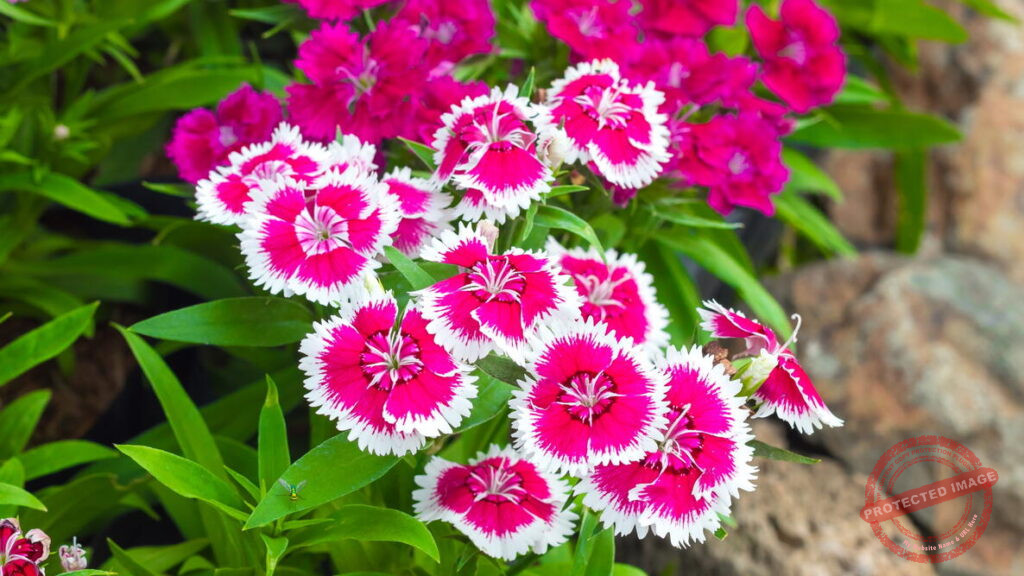
Dianthus is a group of flowering plants known for their fragrant blooms and compact growth.
They come in shades of pink, red, white, and even bi-color patterns.
Some varieties stay low and bushy, while others grow taller with long stems suitable for cutting.
They are often grown in:
- Garden beds
- Borders
- Containers
- Small urban spaces
And the best part? They are beginner-friendly once you understand their needs.
Why Dianthus Is a Great Plant for Beginners
Dianthus gives you visible results without constant stress.
It offers:
- Long blooming periods
- Pleasant fragrance
- Compact growth for small spaces
- Easy maintenance once established
It is one of those plants that builds your confidence quickly.
Starting with Healthy Seedlings
Your success begins here.
Look for seedlings that are:
- Green and compact
- Not stretched or leaning
- Free from yellowing leaves
Avoid weak, leggy seedlings.
Strong beginnings make everything easier later.
Choosing the Right Location
Dianthus thrives in the right environment.
Choose a spot with:
- Full sun or light shade
- Good air circulation
- Well-draining soil
Sunlight helps produce more blooms.
Poor airflow can lead to disease.
Soil Matters More Than You Think
Dianthus does not like heavy, wet soil.
Use a well-draining mix.
If planting in the ground, loosen the soil and add compost or sand.
If planting in containers, use a light potting mix.
The goal is simple. Roots should breathe, not sit in water.
How to Plant Dianthus Seedlings
Step 1: Prepare the Soil
Loosen the soil and remove weeds.
Make sure the area drains well.
Step 2: Space the Plants
Give each seedling room to grow.
Proper spacing improves airflow and prevents crowding.
Step 3: Plant at the Right Depth
Place the seedling at the same depth it was growing before.
Do not bury the crown.
Step 4: Water After Planting
Water lightly to settle the soil.
Avoid soaking the area.
Watering Dianthus Properly
This is where balance matters.
Water when the top layer of soil feels dry.
Do not overwater.
Dianthus prefers slightly drier conditions over constant moisture.
Too much water can lead to root problems.
Light and Temperature Needs
Dianthus loves sunlight.
The more light it gets, the better it blooms.
It also prefers moderate temperatures.
Too much heat or humidity can stress the plant.
If you notice fewer blooms, check light levels first.
Feeding for Healthy Growth
Dianthus does not need heavy feeding.
Use a balanced fertilizer every few weeks during the growing season.
Too much fertilizer can lead to more leaves and fewer flowers.
Keep it simple.
Deadheading for Continuous Blooms
This is one of the most important steps.
Remove faded flowers regularly.
Cut just above a leaf node or side shoot.
This encourages the plant to produce more blooms.
Without deadheading, flowering slows down.
Pruning and Shaping
If plants become leggy or uneven, prune them lightly.
Cut back stems to encourage bushier growth.
This helps maintain a neat shape.
Common Problems and How to Fix Them
Yellow Leaves
Often caused by overwatering or poor drainage.
Few Flowers
Usually linked to low light or lack of deadheading.
Weak Growth
Check soil quality and sunlight.
Rotting Roots
Caused by waterlogged soil.
A Small Growing Moment
There was a time I planted dianthus in soil that stayed damp for too long.
At first, everything looked fine.
Then the leaves started turning yellow, and growth slowed.
I improved the drainage and adjusted watering.
Within weeks, the plants recovered and started blooming again.
That moment made one thing clear. Soil and water matter more than most people think.
How Long Does Dianthus Take to Mature?
From seedlings to flowering can take a few weeks to a couple of months, depending on the variety.
With proper care, they continue blooming through the season.
Some types return year after year.
FAQs About Growing Dianthus (Carnations)
Do dianthus plants need full sun?
Yes, they perform best in full sun.
How often should I water?
When the top layer of soil feels dry.
Can dianthus grow in pots?
Yes, they grow very well in containers.
Should I deadhead dianthus?
Yes, for continuous blooming.
Are dianthus easy to grow?
Yes, once you understand their basic needs.
Why Growing Dianthus Builds Confidence
Dianthus is one of those plants that responds quickly when you get things right.
You see the results of your care in the form of new blooms, stronger stems, and healthier growth.
It teaches you how small adjustments can lead to big changes.
And once you see that, gardening starts to feel less complicated.
Final Thoughts
Learning how to grow dianthus from seedlings to maturity is not about mastering complex techniques.
It is about getting the basics right.
Light, soil, water, and a little attention.
Start with healthy seedlings. Give them the right conditions. Stay consistent.
And before long, you will have plants that do not just survive, but truly thrive.
Because sometimes, the best way to grow as a gardener is to grow something simple and do it well.
So are you ready to give your dianthus the care it needs and see what it becomes? 🌸