 Adewebs
Biquinho peppers are one of those plants that quietly win you over. They do not demand attention like fiery chili varieties or towering bell peppers, yet season after season, they show up and deliver. The first time I grew them, I planted a few seedlings almost as an experiment. By mid-summer, those compact plants were dripping with glossy, teardrop-shaped peppers that looked spicy but tasted surprisingly sweet. That contrast alone makes biquinho peppers worth growing.
If you have ever tasted sweety drops pepper from a jar, you already understand their appeal. Sweet, lightly tangy, and incredibly snackable. What most people do not realize is how easy these peppers are to grow at home. With the right setup, even beginner gardeners can enjoy a steady harvest of pepper drops sweets straight from their own garden.
In this guide, I will walk you through exactly how to grow and care for biquinho peppers, using practical experience rather than theory. From seed starting to harvest, you will learn what actually works, what to avoid, and how to get the best flavor and yield from every plant.
What Makes Biquinho Peppers Special
Biquinho peppers originated in Brazil, where they are prized for their mild sweetness and versatility. The name biquinho means little beak, a nod to their distinctive pointed shape.
Unlike most peppers that advertise heat, these peppers are almost completely mild. The flavor is lightly sweet with a gentle acidity that works beautifully fresh or pickled. That is why they are commonly sold as sweety drops pepper in specialty stores.
They also stay compact, making them ideal for raised beds, small gardens, and container growing.
Why Grow Biquinho Peppers at Home
Growing biquinho peppers at home gives you access to flavors you rarely find fresh. Store-bought versions are usually pickled, which is delicious, but fresh peppers have a brighter, more delicate sweetness.
They are also incredibly productive. A single healthy plant can produce dozens of peppers throughout the season. If you enjoy sharing produce with friends or neighbors, these peppers always spark curiosity and conversation.
Best of all, they are forgiving. Miss a watering here and there or forget to fertilize once, and the plants still perform.
Starting Biquinho Peppers From Seed
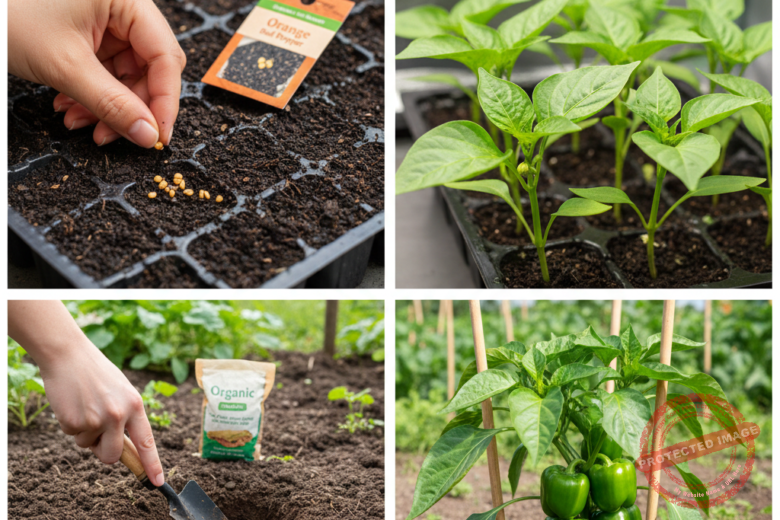
Start seeds indoors about eight weeks before your last expected frost. Pepper seeds need warmth, so aim for soil temperatures between 75 and 85 degrees.
Use a light seed starting mix and keep it evenly moist. A heat mat helps speed germination, especially in cooler climates.
Once seedlings emerge, give them strong light immediately. Weak light leads to tall, fragile plants that struggle later.
Transplanting Into the Garden
Do not rush peppers outdoors. Biquinho peppers hate cold soil and cool nights.
Harden seedlings off gradually over a week, increasing outdoor exposure each day. Transplant only when nighttime temperatures stay consistently warm.
Space plants twelve to eighteen inches apart. Good airflow prevents disease and encourages healthy growth.
Soil Preparation for Healthy Plants
Biquinho peppers thrive in rich, well draining soil. Compost is your best friend here.
Avoid heavy, compacted soil that holds water too long. Roots need oxygen as much as moisture.
I refresh my pepper beds with compost each season and avoid excessive synthetic fertilizers. Healthy soil produces better flavor than aggressive feeding.
Sunlight Requirements
Full sun is essential. Aim for at least six hours of direct sunlight daily, though eight is even better.
Plants grown in partial shade tend to produce fewer peppers and weaker stems.
If growing in containers, move pots as needed to maximize sun exposure.
Watering the Right Way
Consistent watering is key. Deep, thorough watering once or twice a week is better than light daily watering.
Allow the top inch of soil to dry slightly between waterings. Constant wet soil invites root problems.
Mulching helps maintain moisture and stabilize soil temperature during hot weather.
Feeding Biquinho Pepper Plants
Avoid overfeeding with nitrogen. Too much leads to leafy plants and fewer peppers.
A balanced organic fertilizer early in the season is enough. Once flowering begins, reduce feeding.
Many gardeners find compost alone provides everything these plants need.
A Garden Moment Worth Sharing
One summer afternoon, a neighbor stopped by and warned me about my “hot peppers.” I handed her a ripe biquinho and watched her reaction. First hesitation, then surprise, then laughter. She asked for seeds before she left. That moment perfectly captures why these peppers are so special.
Supporting and Pruning
While biquinho plants stay compact, heavy fruit loads can bend branches.
Small cages or stakes keep plants upright and improve airflow.
Minimal pruning is needed. Remove only damaged or crowded growth.
Flowering and Fruit Set
Warm temperatures encourage strong flowering. Cool nights can slow fruit development.
If flowers drop, stress is usually the cause. Check watering consistency first.
Once fruit sets, plants continue producing steadily until cold weather arrives.
Harvesting Biquinho Peppers
Harvest peppers when fully red for the best sweetness. Green peppers are edible but less flavorful.
Use scissors or gently twist peppers off the plant to avoid damage.
Frequent harvesting encourages continued production.
Using Fresh Biquinho Peppers
Fresh peppers are excellent in salads, grain bowls, and quick sautés.
They are perfect for pickling and make homemade sweety drops pepper that tastes fresher than store versions.
Many gardeners snack on them straight from the plant.
Common Problems and Pests
Aphids and spider mites can appear, especially in dry conditions. Strong water sprays usually solve the problem.
Healthy plants resist pests better than stressed ones.
Good spacing and airflow prevent most disease issues.
Growing Biquinho Peppers in Containers
Containers work extremely well. Use pots at least three gallons in size.
Choose high quality potting mix with good drainage.
Container plants may need more frequent watering during hot weather.
Saving Seeds for Future Seasons
Allow peppers to fully ripen on the plant before harvesting for seed.
Remove seeds and dry thoroughly before storage.
Saved seeds often adapt better to your local growing conditions over time.
Frequently Asked Questions
Are biquinho peppers spicy
No. They are extremely mild and sweet.
Can I grow them indoors
Yes with strong grow lights, but outdoor plants produce better yields.
Why are my peppers staying green
They need time and warmth to turn red. Patience pays off.
Are pepper drops sweets and biquinho peppers the same
Yes. Pepper drops sweets is a market name for pickled biquinho peppers.
Final Thoughts From One Grower to Another
Biquinho peppers are proof that gardening does not have to be complicated to be rewarding. They grow generously, forgive small mistakes, and deliver flavor that surprises everyone who tastes them. If you are looking for a pepper that feels special without being difficult, this is it. Plant a few this season, care for them simply, and see how a small, sweet pepper can completely change the way you think about growing peppers in your garden, wouldn’t that be worth trying?