 Adewebs
The first time I planted black cherry tomatoes, I did not do it because they were trendy or unusual. I did it because another grower I trusted leaned over a crate of tomatoes at a local market, handed me one, and said, “If you like tomatoes, you need to grow this.” No sales pitch. No hype. Just confidence earned from years in the soil. I took one bite and understood immediately. It was sweet, yes, but also rich, almost smoky, with a depth that lingered. It tasted like summer slowed down and paid attention.
Back then, I had already grown tomatoes for years. Big slicers. Standard cherries. Heirlooms that split if you looked at them the wrong way. I thought I had tomatoes figured out. Black cherry tomatoes humbled me in the best way. They were vigorous without being wild, productive without being exhausting, and forgiving in a way that made you feel like a better grower than you probably were. They did not just survive my garden. They thrived in it.
If you are reading this because you are curious about black tomatoes, or because you want to grow something that feels a little special without being fussy, you are in the right place. This is not a rushed overview or a textbook breakdown. This is how to grow and care for black cherry tomatoes plants the way people actually do it, season after season, learning from mistakes and small wins. By the end, you should feel confident enough to grow a cherry tomato tree so full of dark fruit that you start giving bowls away just to keep up.
What Black Cherry Tomatoes Really Are
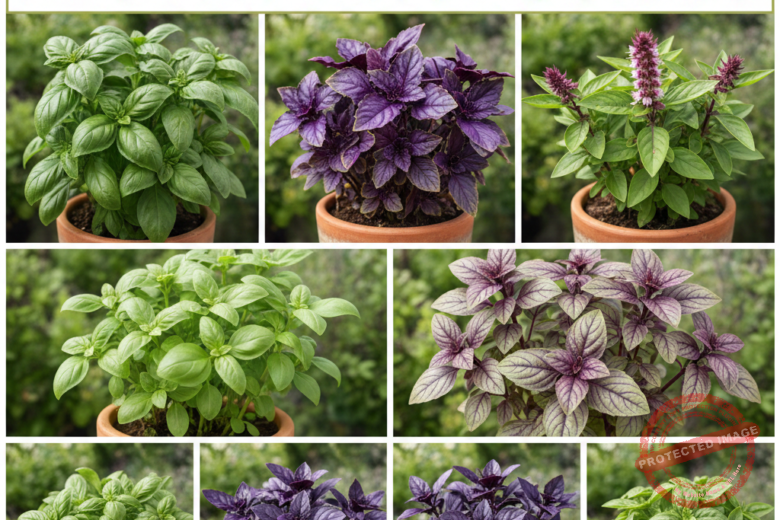
Black cherry tomatoes belong to a group often called black tomatoes, though the color is more accurately described as deep purple, mahogany, or brownish red. The darker tone comes from a mix of traditional red tomato pigments and anthocyanins, the same compounds found in blueberries and purple basil.
This is not a gimmick. These compounds add complexity to the flavor, which is why black cherry tomatoes taste noticeably different from standard red cherries. They are sweeter, but also earthier. There is a richness there that makes people pause after the first bite.
Most black cherry tomatoes grow on indeterminate vines. That means they keep growing, flowering, and fruiting until cold weather shuts them down. If cared for properly, one plant can easily produce for months.
Why Experienced Growers Keep Coming Back to Them
Flavor is the obvious answer, but it is not the only one. Black cherry tomatoes strike a balance that many varieties miss.
They are productive without being fragile. Some heirlooms taste incredible but demand constant babysitting. Black cherry tomatoes give you that complex flavor while still behaving like a workhorse plant.
They also adapt well. I have grown them in heavy soil amended with compost, in raised beds, and in large containers. As long as drainage is decent and sunlight is strong, they show up and do their job.
And then there is the reaction they get. Set a bowl of these on the table and someone always asks what they are. That never gets old.
Starting With the Right Seeds or Plants
You can start black cherry tomatoes from seed or buy transplants. Both work. Starting from seed gives you more control and usually stronger root systems, but transplants save time.
If you start from seed, sow them indoors six to eight weeks before your last expected frost. Use a light, sterile seed starting mix. Tomatoes do not want heavy soil at this stage.
Plant seeds shallowly, about a quarter inch deep, and keep the soil warm and evenly moist. Once seedlings emerge, light becomes critical. Weak light leads to tall, flimsy plants that struggle later.
Giving Seedlings a Strong Foundation
After years of growing tomatoes, I have learned that the seedling stage sets the tone for the entire season. Strong seedlings make forgiving plants.
As soon as true leaves appear, ensure the plants get bright light. A sunny window is rarely enough. Supplemental grow lights make a noticeable difference.
Keep watering steady but restrained. Let the surface dry slightly between waterings. This encourages roots to grow downward instead of sitting near the surface.
Hardening Off the Right Way
Hardening off is not optional, no matter how eager you are to plant.
About a week before transplanting, start exposing seedlings to outdoor conditions. Begin with a couple of hours in shade, then gradually increase sunlight and time outside.
This process thickens stems, toughens leaves, and prevents shock. Skipping it almost always leads to stalled growth.
Preparing the Soil Like a Pro
Black cherry tomatoes love rich, living soil. They do not want perfection, but they do want balance.
Before planting, work compost into the bed. Compost improves structure, water retention, and nutrient availability without overwhelming the plant.
Avoid fresh manure or heavy nitrogen fertilizers. Too much nitrogen leads to beautiful foliage and disappointing fruit.
Planting Black Cherry Tomatoes Deep
Tomatoes are one of the few plants that benefit from deep planting.
Bury the stem up to the first set of true leaves. Roots will form along the buried stem, creating a stronger, more resilient plant.
Space plants generously. Two feet apart is a minimum. Crowded plants invite disease and reduce airflow.
Building a Cherry Tomato Tree With Proper Support
Black cherry tomatoes can grow tall and heavy. Without support, they sprawl, break, and invite pests.
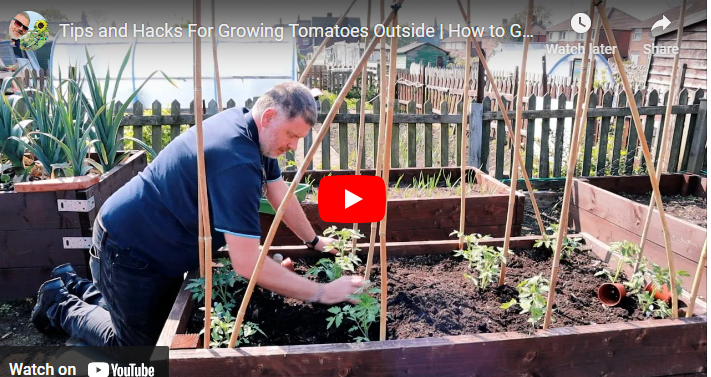
Use sturdy cages, tall stakes, or trellis systems from the beginning. Trying to add support later often damages roots.
I prefer strong cages anchored firmly. They allow the plant to grow naturally while keeping fruit off the ground.
Watering for Health and Flavor
Watering is where many growers unknowingly affect flavor.
Deep, consistent watering encourages steady growth and reduces cracking. Shallow, inconsistent watering stresses the plant.
Aim to water at the base, soaking the soil deeply. Mulch helps retain moisture and keeps soil temperatures stable.
Feeding Without Overdoing It
Black cherry tomatoes do not need aggressive feeding.
Early in the season, a balanced organic fertilizer or compost is enough. Once flowering begins, reduce nitrogen input.
Excess fertilizer produces large plants with diluted flavor. Less is often more when it comes to tomatoes.
A Lesson Learned the Hard Way
One year, I decided to “boost” my tomatoes mid season with extra fertilizer. The plants exploded with growth. Leaves everywhere. Fruit slowed down. Flavor faded. It took weeks to rebalance. Since then, I trust the soil more than the bottle.
Pruning With Intention
- Pruning improves airflow and reduces disease pressure.
- Remove lower leaves that touch the soil. Thin crowded interior growth if airflow becomes restricted.
- Avoid aggressive pruning. Tomatoes need foliage to protect fruit from sunscald and to fuel production.
Flowering and Fruit Set
Black cherry tomatoes self pollinate, but they still benefit from movement. Wind, insects, or even gently shaking plants helps.
High heat can cause flowers to drop. During heat waves, afternoon shade can make a big difference.
Once fruit sets, the plant shifts into production mode and rarely slows down.
Knowing When Black Cherry Tomatoes Are Ready
Color is your first clue. Ripe fruit turns deep purple brown with a slight softness.
Do not rely on color alone. Gently squeeze. A ripe tomato yields slightly but does not feel mushy.
Taste is the final test. Once you learn the flavor of fully ripe fruit, you will never forget it.
Harvesting for Continuous Production
Harvest regularly. Leaving ripe fruit on the vine slows new production.
Use two hands or scissors to avoid tearing branches.
Morning harvests often have the best texture and flavor.
Common Pests and Real World Solutions
Aphids, hornworms, and whiteflies show up occasionally.
Hand removal, strong water sprays, and encouraging beneficial insects usually keep populations under control.
Healthy plants resist pests far better than stressed ones.
Preventing Disease Before It Starts
- Good spacing, airflow, and soil health prevent most problems.
- Avoid overhead watering late in the day.
- Rotate tomatoes to a new location each season whenever possible.
Growing Black Cherry Tomatoes in Containers
Containers work well if they are large enough.
Use pots at least five gallons with good drainage.
Container plants need more frequent watering and feeding, but produce excellent fruit.
Saving Seeds for Future Seasons
Choose the healthiest plants and best tasting fruit.
Ferment seeds briefly to remove the gel coating.
Dry thoroughly and store in a cool, dry place.
How Long the Harvest Lasts
As indeterminate plants, black cherry tomatoes produce until frost.
Cool nights slow production, but plants often keep going longer than expected.
With protection, harvests can stretch late into the season.
Using Black Cherry Tomatoes in Everyday Cooking
They shine fresh, roasted, or slow cooked.
Roasting intensifies sweetness and depth.
Many growers snack on them straight from the vine, no recipe needed.
Frequently Asked Questions
Are black tomatoes safe to eat
Yes, they are naturally bred and completely safe.
Do black cherry tomatoes need more care
No, they are as easy as most cherry tomatoes.
Can they grow indoors
Only with strong light and enough space.
How tall do they get
Six feet or more with proper support.
Final Words From Someone Who Has Grown Them for Years
Black cherry tomatoes are one of those plants that reward patience, observation, and restraint. They do not need constant fixing or chasing problems. They ask for good soil, steady water, and a little respect for their rhythm. In return, they give you bowls of fruit that taste like you did something right. If you have ever wanted to grow a tomato that feels both reliable and special, one that turns your garden into a place people remember, why not let black cherry tomatoes be that plant for you this season?