 Adewebs
The first time I peeled a banana near my chicken run, I felt those familiar eyes on me. You know the look. Heads tilted, feet scratching impatiently, that low clucking that says something good is happening over there and we want in. Chickens are experts at sensing snacks. Still, I hesitated. Bananas are soft, sweet, and human approved, but chickens are not tiny humans with feathers. Over the years, I have learned that just because something grows on a plant or sits on the kitchen counter does not automatically make it a good idea for the flock. So I paused, banana in hand, wondering if this was going to be a fun treat or a messy mistake.
If you have kept chickens for any length of time, you already know how often food questions come up. Can they eat this? Should they eat that? Will it hurt them if they do? Chickens will try almost anything once, and sometimes twice, which puts the responsibility squarely on us. Bananas are especially tricky because they are not rare treats like exotic fruits, but everyday items that often end up overripe on the counter. Tossing one to the chickens feels practical and thrifty, but only if it is actually safe.
This post is written from the muddy boots perspective. Not lab coats or feed charts, but real mornings, real flocks, and real mistakes learned the honest way. We are going to talk about whether chickens can eat bananas, how they react to them, what parts are safe, and how often they should be offered. We will also dig into the question many people quietly ask but rarely say out loud. Do chickens eat banana skins, and should they? By the end, you will feel confident the next time a banana goes brown faster than expected.
Do chickens actually like bananas?
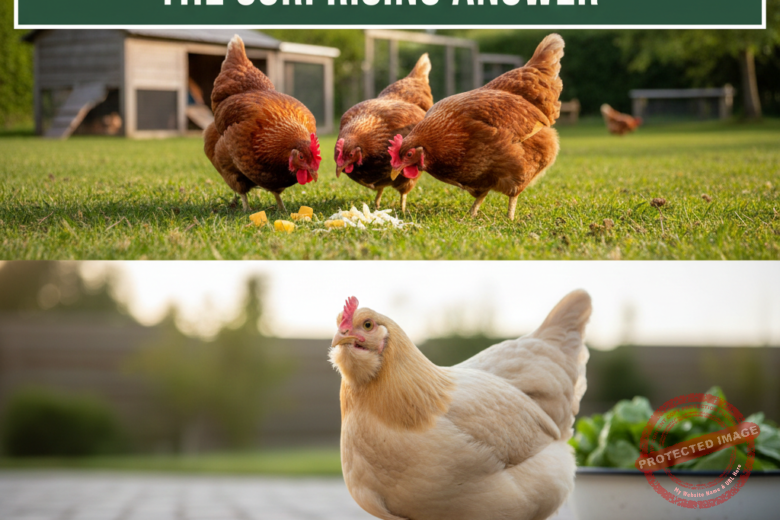
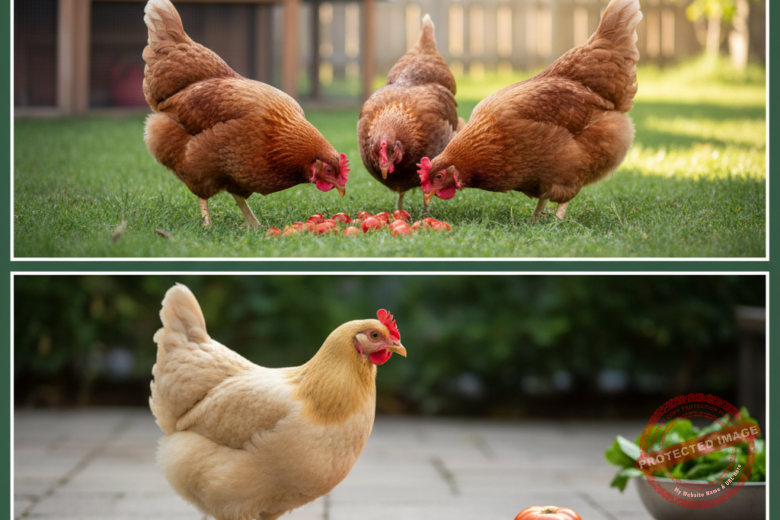
Yes, most chickens love bananas, but not always right away. The first reaction I usually see is suspicion. Chickens are cautious with new foods, especially soft ones that look nothing like grain or bugs. They will peck, step back, peck again, and then suddenly realize this thing is sweet and easy to eat.
Once that happens, the banana becomes very popular very quickly. The softer and riper it is, the faster they accept it. Firmer bananas take longer, and sometimes they lose interest unless it is mashed or broken open.
Not every chicken reacts the same way. I have had hens that would push others aside for banana and a rooster who sniffed it once and walked away offended. That is normal. Chickens have personalities, and food preferences are part of that.
Can chickens eat bananas safely?
The simple answer is yes. Chickens can eat bananas safely when they are fed properly and in moderation. Bananas are not toxic to chickens, and they do not contain compounds that are harmful in small amounts.
The important phrase there is in moderation. Bananas are high in natural sugars. Chickens do not need sugar in their diet, and too much of it can throw things off quickly. Loose droppings, reduced appetite for proper feed, and sluggish behavior are signs that treats are taking over.
Think of bananas as a dessert, not a meal. A little bit now and then can be enjoyable and harmless. A lot of it often leads to problems you did not plan for.
Nutritional value of bananas for chickens
Bananas do offer some nutritional value. They contain potassium, small amounts of vitamins, and plenty of moisture. That moisture can be helpful during hot weather, especially when chickens are panting and avoiding heavy feed.
What bananas do not provide is protein, calcium, or the balanced nutrients chickens need for egg production and overall health. That is why bananas should never replace feed or even be a daily supplement.
When I offer bananas, I think of them as enrichment more than nutrition. They keep the flock busy, encourage pecking and social interaction, and break the routine in a positive way.
How to prepare bananas for chickens
Peel or no peel?
This is where the big question comes in. Do chickens eat banana skins? The answer is sometimes, but not always, and it depends on preparation.
Banana peels are not toxic to chickens, but they are tough, fibrous, and often sprayed with chemicals before reaching the store. Most chickens will peck at the inside of the peel where bits of fruit remain, then lose interest in the skin itself.
If you plan to offer the peel, it should be washed thoroughly and chopped into very small pieces. Even then, many chickens will ignore it. Personally, I compost the peel and give the chickens the soft fruit only.
Mash or chunks?
Soft, overripe bananas can be mashed and mixed with a bit of regular feed. This spreads the sweetness and prevents one chicken from eating everything.
Chunks work fine too, especially if you are feeding a group. Just avoid large pieces that can be gulped down too quickly.
A familiar backyard moment
One afternoon after cleaning the coop, I noticed a forgotten banana on the porch. Brown spots everywhere. Perfect chicken snack, I thought. I tossed it whole into the run, peel and all.
The hens surrounded it, poked at it, and then stood there confused. I split it open with my boot, and suddenly it was chaos. They went straight for the fruit, ignoring the peel entirely. By the end, the peel lay untouched like a discarded jacket.
That moment taught me two things. Chickens know what they like, and preparation matters more than we think.
How often can chickens eat bananas?
Once or twice a week is more than enough. Some keepers offer bananas only when they would otherwise go to waste. That is a good approach.
If bananas become a frequent treat, chickens may start refusing feed, waiting instead for sweets. That habit is hard to break and not good for their health.
Season matters too. During hot weather, a small amount of banana can be refreshing. During cold months, it is less useful and sometimes ignored altogether.
Can baby chicks eat bananas?
No. Baby chicks should not be fed bananas. Their digestive systems are sensitive, and they need very specific nutrition to grow properly.
Stick to chick starter feed until they are fully grown. Treats come later.
Banana skins and chickens
Let us talk about banana skins more clearly. While chickens might peck at them, banana skins are not ideal chicken food. They are tough, difficult to digest, and offer very little benefit.
If you ever notice chickens eating banana skins enthusiastically, it is usually because the skin still has fruit stuck to it or because the birds are bored.
In my experience, composting banana peels or using them in the garden is a better choice.
Common mistakes to avoid
One mistake is assuming natural equals unlimited. Bananas are natural, but that does not make them a staple food.
Another mistake is offering bananas too frequently because the chickens enjoy them. Enjoyment is not a reliable nutrition guide.
Finally, do not toss whole bananas into the run without opening or cutting them. Chickens need access to the soft fruit.
How bananas fit into a balanced chicken diet
A healthy chicken diet is built on quality feed, access to grit, clean water, and occasional treats. Bananas fit into that last category.
Treats should never make up more than a small portion of what chickens eat in a day. I aim for no more than ten percent.
When treats stay rare, chickens stay healthy and excited.
FAQs
Can chickens eat banana peels?
They can, but most do not enjoy them. Peels are tough and offer little benefit.
Do chickens eat banana skins if chopped?
Sometimes, especially if small and mixed with fruit, but it is not necessary to offer them.
Can chickens eat frozen bananas?
Yes, mashed frozen bananas can be offered in small amounts during hot weather.
Will bananas affect egg production?
Too many bananas can reduce egg production by replacing essential nutrients.
Can chickens eat green bananas?
Ripe bananas are better. Green bananas are harder to digest and often ignored.
Final thoughts from one flock keeper to another
Raising chickens is about paying attention. Watching what they eat, how they react, and what changes over time. Bananas can be part of that journey. They are not magic, not harmful when handled correctly, and not something to fear.
I still give my flock bananas now and then. I still smile when they rush forward, clucking and shuffling their feet. And I still remind myself that good care is not about perfection. It is about intention, moderation, and learning as you go.
So the next time you find an overripe banana on your counter and wonder if it belongs in the chicken run, ask yourself this. Am I offering this as a thoughtful treat, or am I just trying to get rid of leftovers, and which kind of chicken keeper do I want to be today?