 Adewebs
There is something different about planting asparagus. It is not like sowing lettuce or radishes where you expect quick results and move on. Asparagus asks you to think long term. You are planting something that could stay in that same spot for years, quietly growing stronger beneath the soil before it really shows you what it can do.
That is where many beginners miss an important step. They focus on the asparagus itself but forget about everything around it. What grows beside it. What shares the soil. What competes, supports, or quietly affects its growth over time. And that is exactly where companion planting comes in.
If you want healthier plants, fewer problems, and a bed that becomes easier to manage each season, choosing the right companion plants for asparagus makes a real difference. This is not about complicated techniques. It is about building a small, balanced system where plants support each other naturally.
Let us walk through what works, what does not, and how you can set it up in a way that actually makes your gardening easier.
Asparagus is a perennial vegetable grown for its tender young shoots, often called spears, which are harvested and eaten before they fully develop.
That is the simple answer. But once you understand how asparagus actually grows, it becomes a lot more interesting.
What Asparagus Really Is
Asparagus is a plant that comes back year after year.
Unlike many vegetables you replant every season, asparagus settles into the soil and stays there for a long time. In fact, a healthy asparagus plant can keep producing for 15 to 20 years.
What you eat is not the leaf or the root.
It is the young shoot that pushes up from the ground in early spring.
If you do not harvest it, that spear keeps growing taller and eventually turns into a soft, feathery plant.
What Does Asparagus Look Like?
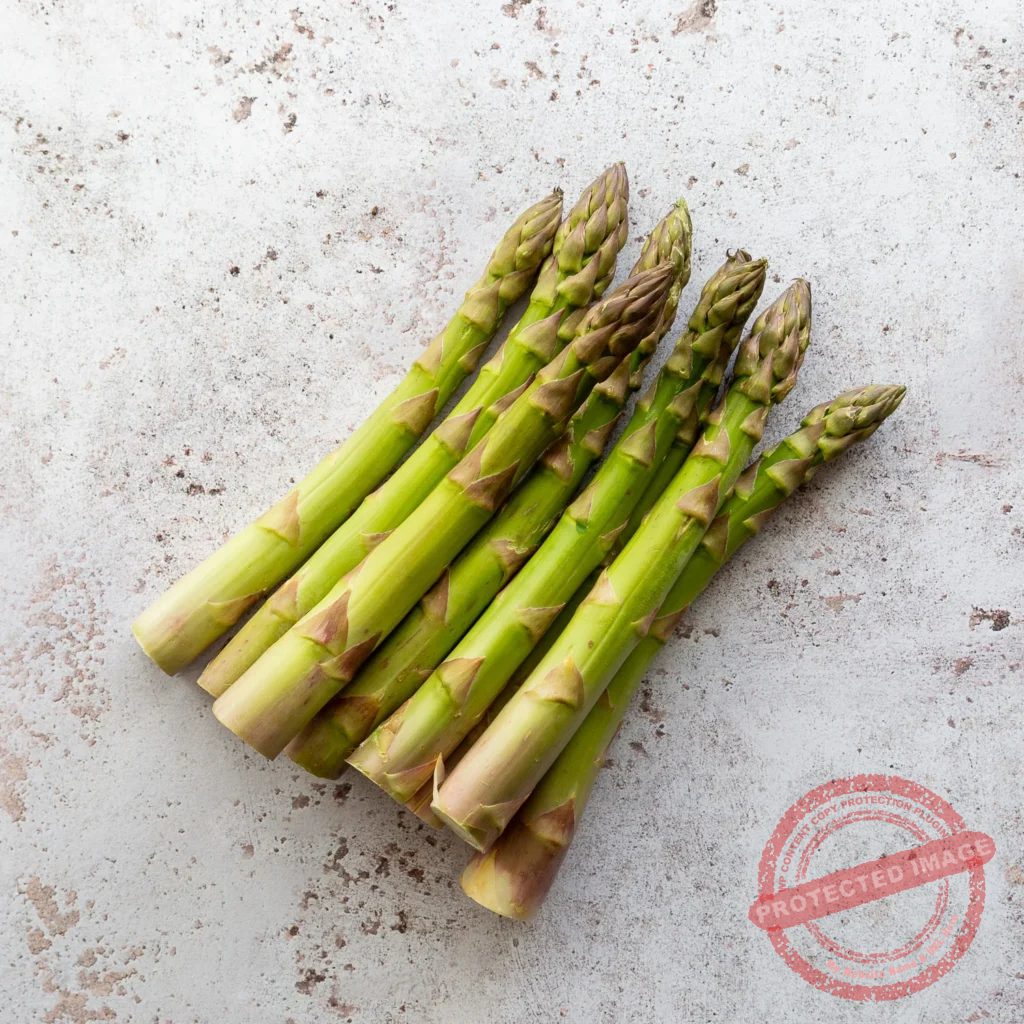
When harvested, asparagus looks like a straight green spear with a pointed tip.
That tip is actually a tightly closed bud.
If left to grow, the spear opens up into light, fern like foliage that spreads out and feeds the plant for future growth.
So what you see on your plate is just the early stage of a much larger plant.
Where Asparagus Comes From
Asparagus has been grown for a very long time, originally in parts of Europe, Asia, and North Africa.
Today, it is grown in many parts of the world, especially in regions with cool winters and warm growing seasons.
It does best in well drained soil and sunny locations.
Why People Grow Asparagus
There are two main reasons people love growing asparagus.
1. It keeps producing for years
Once established, you do not need to replant it every season.
It becomes a long term part of your garden.
2. It is nutritious and fresh
Asparagus is rich in vitamins and fiber.
Freshly harvested spears taste better than anything you can buy in a store.
Why Companion Planting Matters for Asparagus
Asparagus is not a short term crop.
It grows deep roots and stays in place for many years. After harvest, it sends up tall, fern like growth that needs space and nutrients to stay strong.
Because of this, the plants around it matter more than you might expect.
Good companion plants can:
- Help improve soil over time
- Reduce pests naturally
- Use space without disturbing roots
- Keep the garden balanced and productive
The wrong plants can compete for nutrients, crowd the area, or create unnecessary stress.
Think of asparagus as a permanent resident. You want the right neighbors from the beginning.
20 Best Companion Plants for Asparagus
These plants work well with asparagus and support its long term growth.
1. Tomatoes
Tomatoes are one of the best companions.
They help repel asparagus beetles, while asparagus can deter certain tomato pests.
2. Basil
Basil pairs well with tomatoes and adds another layer of pest protection.
It also fits easily into small spaces.
3. Parsley
Parsley attracts beneficial insects and does not compete heavily for nutrients.
4. Dill
Dill draws in helpful insects that control pests naturally.
It adds life to the garden.
5. Cilantro
Cilantro grows quickly and helps attract pollinators and beneficial insects.
6. Marigolds
Marigolds are excellent for pest control.
They help reduce harmful insects in the soil and around plants.
7. Nasturtiums
Nasturtiums act as a trap crop.
They pull pests like aphids away from asparagus.
8. Spinach
Spinach grows early and finishes before asparagus needs full space.
It makes good use of the soil.
9. Lettuce
Lettuce stays low and helps keep soil cool and moist.
It does not compete with asparagus roots.
10. Beets
Beets grow underground and use a different part of the soil.
This reduces competition.
11. Carrots
Carrots help loosen the soil, improving structure over time.
12. Strawberries
Strawberries are a classic companion.
They act as a living mulch, covering the soil and reducing weeds.
13. Chives
Chives help repel pests and attract beneficial insects.
They are easy to grow and manage.
14. Garlic
Garlic provides natural pest protection.
It supports overall plant health.
15. Onions
Onions work similarly to garlic and fit well around asparagus beds.
16. Thyme
Thyme is low growing and helps deter insects.
It thrives in similar conditions.
17. Sage
Sage adds another layer of pest resistance.
It is also drought tolerant.
18. Calendula
Calendula attracts pollinators and beneficial insects.
It also adds color to your garden.
19. Radishes
Radishes grow quickly and help break up the soil near the surface.
20. Peppers
Peppers can grow near asparagus if spaced properly.
They do not heavily compete when soil is healthy.
A Simple Layout That Works
If you are unsure how to arrange everything, try this:
Plant asparagus in permanent rows.
Add strawberries between rows as ground cover.
Place herbs like thyme, chives, and basil along the edges.
Scatter marigolds throughout the bed.
This setup keeps things balanced without overcrowding.
10 Plants to Avoid Growing with Asparagus
Some plants create more problems than benefits.
1. Potatoes
They compete heavily for nutrients and space.
2. Corn
Corn shades asparagus too much and uses a lot of nutrients.
3. Eggplant
Eggplant competes strongly and can crowd the bed.
4. Cabbage
Cabbage attracts pests that may affect asparagus.
5. Broccoli
It shares similar pest problems and nutrient demands.
6. Cauliflower
Another heavy feeder that competes with asparagus.
7. Kale
Kale attracts pests that can spread across the bed.
8. Sunflowers
Sunflowers can block sunlight and affect nearby growth.
9. Fennel
Fennel can release compounds that slow the growth of nearby plants.
10. Leeks
Leeks can interfere with root development over time.
Common Beginner Mistakes
One common mistake is planting too many heavy feeders in the same space.
Another is forgetting that asparagus will expand over time. What looks like empty space now will not stay empty.
Some gardeners also overlook soil care. Since asparagus stays in one place for years, the soil needs regular attention.
Adding compost each season helps keep everything balanced.
A Simple Way to Start
If you are new to companion planting, keep it simple.
Start with:
- Strawberries for ground cover
- One herb like thyme or chives
- Marigolds for pest control
That is enough to make a noticeable difference.
FAQs About Companion Plants for Asparagus
What grows best with asparagus?
Tomatoes, strawberries, herbs, and flowers like marigolds are excellent choices.
Can asparagus and strawberries grow together?
Yes. They are one of the most successful companion pairings.
What should not be planted near asparagus?
Avoid heavy feeders like potatoes and plants from the cabbage family.
Does companion planting really help?
Yes. It improves soil health, reduces pests, and supports long term growth.
How much space should I leave for asparagus?
Give plants enough room to grow over time. They expand as they mature.
Final Thoughts from the Garden
Growing asparagus teaches patience, but it also rewards thoughtful planning.
When you choose the right companion plants for asparagus, you are not just filling space. You are building a system that supports itself.
The garden becomes easier to manage. Plants grow stronger. Problems become less frequent.
Start small. Pay attention. Adjust as you go.
Over time, you will notice something changing. Your garden begins to feel more balanced, more alive, more in sync.
So as you prepare your asparagus bed, take a moment to think beyond just one plant. What kind of environment are you creating around it, and how will that shape your harvest in the years ahead?