 Adewebs
If you are trying cilantro and parsley for the first time you might mix-up a lot, I ruined a whole pot of stew the first time I tried the both. I had stepped out into the garden with confidence, scissors in hand, ready to snip what I thought was parsley for a slow simmering soup. A few minutes later, that familiar sharp, citrusy aroma hit the steam rising from the pot, and my heart sank. That was not parsley. That was cilantro. Have you ever had one of those moments where your nose tells you the truth before your brain catches up? I stood there laughing at myself, because honestly, I should have known better after all these years of growing food.
If you have ever grown herbs, especially leafy ones, you know how easy it is to get confused. Cilantro and parsley look like twins at first glance. Same green tone. Similar leaf shape. Same general height when young. From a distance, they almost dare you to mix them up. And if you buy them from the market without labels, well, that is a guessing game many home cooks lose at least once. The frustration usually comes after the first bite, not before.
But here is the thing. Once you really get to know these plants, they stop being confusing. They develop personalities. They grow differently. They smell different. They behave differently in the garden and in the kitchen. When you learn how to identify them with confidence, you stop worrying about mistakes and start enjoying how each one brings something unique to your meals and your growing space. Let us walk through that together, the same way I would explain it to a neighbor leaning over the fence with a handful of mystery greens.
Why Cilantro and Parsley Are So Often Confused
Cilantro and parsley belong to the same plant family, which explains the resemblance. Their leaves share a similar flat, lobed structure, especially in the early stages of growth. When plants are young and tender, the differences are subtle. This is when most mix ups happen.
Garden centers and markets do not always help. Bunched herbs can look nearly identical unless clearly labeled. Once you know what to look for, though, those small details start jumping out at you.
The Smell Test Never Lies
If there is one quick trick every grower should learn, it is this. Rub a leaf gently between your fingers and smell it.
Cilantro has a bold, citrusy, almost soapy aroma to some noses. It is unmistakable once you recognize it. Parsley, including leaf parsley, smells mild and grassy. Fresh. Clean. Almost neutral by comparison.
When in doubt, trust your nose. It has saved many dinners around here.
Leaf Shape Differences You Can Actually See
At a glance, both herbs have flat leaves, but look closer.
Cilantro leaves are rounder and softer looking, with gentle curves and a lace like appearance. The edges feel less sharp.
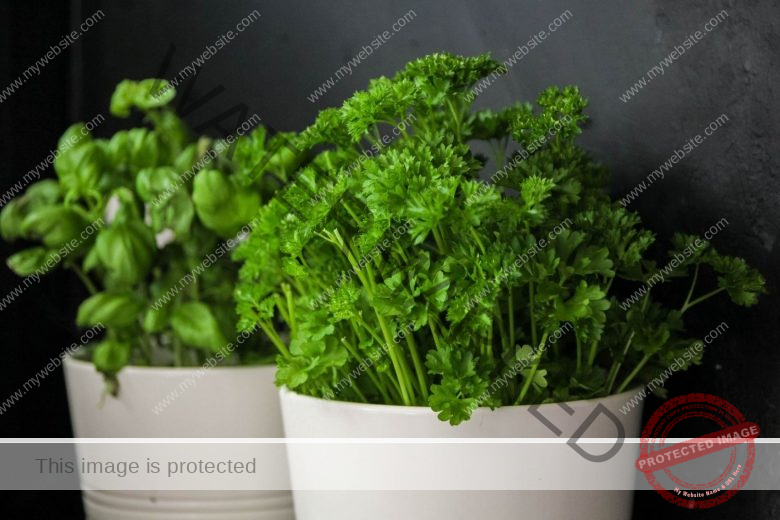
Parsley leaves tend to be pointier and more structured. Leaf parsley has sharper serrations and a firmer feel when touched.
Once you notice this difference, it becomes easier to identify them even without smelling.
Texture Tells a Story
Cilantro leaves are thinner and more delicate. They wilt quickly after harvest and bruise easily.
Parsley leaves are sturdier. Leaf parsley holds its shape longer, even after washing or chopping. This sturdiness makes it a favorite for garnishing and longer cooking.
Touch both plants side by side and your fingers will feel the contrast immediately.
How Cilantro and Parsley Grow Differently
Watching how a plant grows teaches you more than any label ever could.
Cilantro grows fast and bolts quickly, especially in warm weather. One minute it looks lush and leafy, and the next it shoots up tall stems and flowers. This short life cycle surprises new gardeners.
Parsley grows slower and stays leafy longer. Leaf parsley is more patient. It settles into the garden and keeps producing over time if harvested correctly.
If you notice a plant racing toward flowering early in the season, chances are you are looking at cilantro.
A Familiar Garden Scenario
I once planted a mixed herb bed for a friend who was just starting out. A few weeks later, she called in a panic, saying one herb had suddenly grown tall and wispy while the other stayed neat and compact. She thought something was wrong. Nothing was wrong at all. The cilantro was simply being cilantro, eager to finish its life cycle, while the parsley took its time. That call turned into a great lesson and a lot of laughs.
Flowering Patterns Offer Clues
Cilantro flowers early. Small white blossoms appear quickly once temperatures rise. These flowers turn into coriander seeds if left alone.
Parsley flowers later, usually in its second year if grown as a biennial. When it does flower, the stems are thick and the structure is more rigid.
Spotting flowers can help identify the plant if leaves are confusing.
Taste Makes the Difference Clear
Taste is where the confusion ends completely.
Cilantro has a bright, sharp flavor that divides opinions. People either love it or avoid it completely.
Parsley tastes mild and fresh. Leaf parsley adds balance rather than dominating a dish.
If you accidentally taste a leaf, your reaction will tell you everything you need to know.
Culinary Uses Highlight Their Roles
Here are some of the things you can use Cilantro and Parsley for in the culinary;
- Cilantro shines in salsas, curries, and fresh toppings. It is best used raw or added at the end of cooking.
- Parsley works everywhere. Soups. Stews. Salads. Garnishes. Leaf parsley holds up better to heat and long cooking.
- Knowing how you plan to use the herb often points to which one you are holding.
How to Identify Seedlings
Seedlings are the hardest stage to tell apart.
Cilantro seedlings have rounder, softer first leaves.
Parsley seedlings emerge slower and look more structured early on.
If you are unsure, label your rows or pots early. It saves confusion later.
Growing Conditions They Prefer
Cilantro prefers cooler temperatures and struggles in heat.
Parsley tolerates a wider range of conditions and handles moderate heat better.
If one plant thrives while the other bolts, the weather may be revealing their identity.
Harvesting Tips for Each Herb
Harvest cilantro early and often. Once it bolts, leaf quality drops.
Harvest parsley by cutting outer stems first. This encourages steady growth.
Treating them differently improves yield and flavor.
Can You Grow Them Together?
Yes, but timing matters.
Plant cilantro early in the season.
Plant parsley slightly later or provide shade.
Spacing helps reduce competition.
Common Mistakes Gardeners Make
Letting cilantro bolt without replanting.
Harvesting parsley too lightly.
Ignoring labeling early on.
Assuming all flat leaf herbs behave the same.
Learning from these mistakes makes future seasons smoother.
FAQs from Curious Gardeners
Is cilantro the same as coriander?
Yes. Cilantro refers to the leaves, coriander to the seeds.
Is flat parsley the same as leaf parsley?
Yes. Flat leaf parsley and leaf parsley are the same thing.
Why does cilantro taste so strong to some people?
Genetics influence how people perceive its flavor.
Can parsley replace cilantro in recipes?
It can add freshness but will not replicate cilantro’s flavor.
How to Avoid Mix Ups Forever
Grow them in separate containers.
Label clearly at planting time.
Learn the smell early.
Observe growth habits over time.
Confidence comes with repetition.
Teaching Kids and New Gardeners
Let them smell both plants.
Have them touch the leaves.
Cook with each one separately.
Hands on learning sticks best.
What Happens When You Let Them Go to Seed
Cilantro seeds become coriander.
Parsley seeds take longer to mature.
Saving seeds deepens your understanding of each plant.
Final Thoughts from One Grower to Another
Cilantro and parsley may look alike at first glance, but they live very different lives in the garden and on the plate. Once you slow down and really observe them, the confusion fades. You start recognizing them by smell before sight, by growth habit before harvest, by personality rather than appearance. Gardening has a way of teaching patience like that.
So the next time you reach for a handful of green leaves, pause for a second. Rub the leaf. Breathe it in. Notice the shape. Remember the way each plant grows and behaves. These small moments of attention are what turn gardening from guessing into knowing, and once you cross that line, does it not feel good to trust your instincts in the garden and the kitchen alike?