 Adewebs
There’s a moment every new gardener remembers.
You press tiny basil seeds into the soil, water gently, and then… wait. You check the pot the next morning. Nothing. The next day. Still nothing.
And then one day — small green loops push through the surface.
It feels like a quiet miracle.
If you’ve ever wanted to grow something useful, beautiful, and almost guaranteed to succeed, basil is the place to start. In this guide, you’ll learn exactly how to grow and care for basil from seed to harvest — even if you live in a small apartment, even if you think you don’t have a “green thumb.”
By the end, you’ll know:
- When and how to plant basil seeds
- How much sunlight basil really needs
- The right way to water (without killing it)
- How to prune for bigger harvests
- When and how to harvest for continuous growth
Let’s grow something together.
What Is Basil and Why Is It Perfect for Beginners?
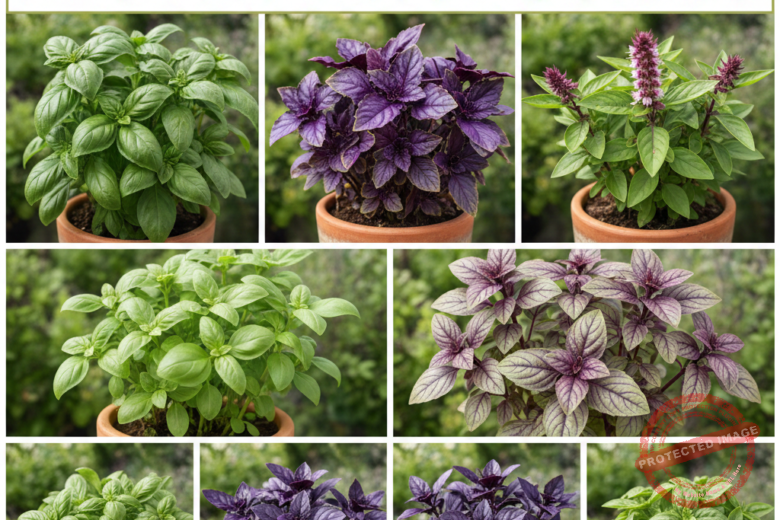
Ocimum basilicum, commonly called sweet basil, is one of the easiest culinary herbs to grow.
It grows quickly.
It adapts well to containers.
It produces continuously when harvested properly.
And unlike some fussy plants, basil rewards small effort with big results.
For urban dwellers and small-space gardeners, basil offers something powerful: fresh flavor within arm’s reach.
Step 1: When to Plant Basil Seeds
Timing matters more than most beginners realize.
Basil loves warmth. Cold soil slows or prevents germination.
Start Indoors:
- 4–6 weeks before your last frost date.
Start Outdoors:
- After all danger of frost has passed.
- Soil temperature should be at least 70°F (21°C).
If you plant too early, growth will stall. If you wait for warmth, basil takes off confidently.
Patience at the beginning saves frustration later.
Step 2: How to Plant Basil from Seed (Properly)
This is where success begins.
- Fill small pots or seed trays with light, well-draining potting mix.
- Lightly moisten the soil before planting.
- Sprinkle seeds evenly across the surface.
- Cover with a thin layer of soil (about ¼ inch).
- Mist gently — don’t flood.
Basil seeds need warmth and light. Don’t bury them deeply.
Place the container in a bright, warm location. Within 5–10 days, seedlings usually appear.
And when they do, they’ll look delicate — but they’re stronger than they seem.
Step 3: Giving Basil the Sunlight It Craves
Basil thrives in full sun.
It needs:
- 6–8 hours of direct sunlight daily.
Indoors, place it in a south-facing window if possible.
If light is insufficient, basil becomes:
- Leggy
- Pale
- Less flavorful
Strong light builds strong flavor. This isn’t just about growth — it’s about taste.
If natural light is limited, a simple grow light can make all the difference.
Step 4: Watering Basil the Right Way
Watering is where many beginners overcorrect.
Here’s the rule:
Keep soil consistently moist — not soggy.
Check with your finger:
- If the top inch feels dry, water.
- If it still feels damp, wait.
Overwatering causes yellow leaves and root rot.
Underwatering causes drooping — but basil often recovers quickly once watered.
You’ll learn its rhythm faster than you think.
Step 5: Transplanting Basil Outdoors
Once seedlings have 2–3 sets of true leaves and outdoor temperatures are warm, they’re ready.
But don’t rush them outside immediately.
Harden them off by gradually exposing them to outdoor conditions for about a week.
When planting outdoors:
- Space plants 12 inches apart.
- Use rich, well-draining soil.
- Choose full sun.
Adding compost improves both growth and flavor.
Press soil firmly around the roots and water deeply. That earthy smell after watering? That’s roots settling in.
Step 6: The Secret to Growing Bushy Basil
Here’s what many beginners don’t know:
If you don’t prune basil, it grows tall and thin.
If you pinch it early, it grows full and productive.
When the plant reaches about 6 inches tall:
- Pinch off the top set of leaves just above a leaf node.
This encourages side branches.
More branches mean more leaves. More leaves mean more harvest.
You’re not harming the plant — you’re shaping its future growth.
Step 7: Preventing Early Flowering
Eventually, basil produces flower spikes.
While beautiful, flowering reduces leaf production.
If your goal is maximum harvest:
- Pinch off flower buds as soon as they appear.
This keeps energy focused on leaf growth and maintains flavor quality.
Step 8: How to Harvest Basil for Continuous Growth
Harvesting is not the end — it’s the beginning of more growth.
Follow these guidelines:
- Never remove more than one-third of the plant at once.
- Cut stems just above a leaf pair.
- Harvest regularly to encourage new growth.
With proper harvesting, one basil plant can provide leaves for months.
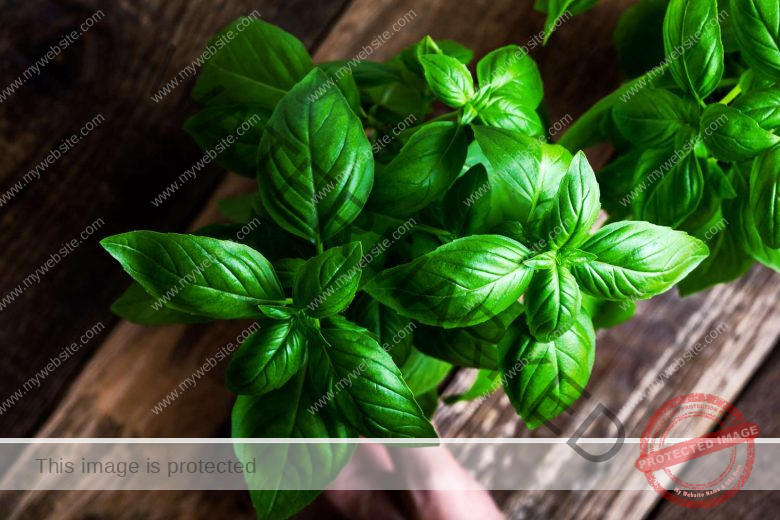
Freshly cut basil carries a fragrance that fills the kitchen instantly — something store-bought herbs rarely match.
Common Basil Growing Mistakes (And How to Avoid Them)
Planting in Cold Soil
Wait for warmth.
Not Enough Sunlight
Weak growth and bland flavor.
Overwatering
Soggy soil leads to root problems.
Never Pruning
Tall plants with fewer leaves.
Mistakes don’t make you bad at gardening. They’re part of learning. Basil is forgiving and often bounces back quickly.
Growing Basil in Small Spaces
No backyard? No problem.
Basil grows beautifully in:
- Containers
- Balcony pots
- Windowsills
- Raised beds
All you need:
- Sunlight
- Warmth
- Consistent watering
Even one pot can transform how you feel about your space.
The Hidden Reward of Growing Basil from Seed
Growing basil from seed does something subtle but powerful.
You witness the full cycle:
Seed → Sprout → Plant → Harvest.
You participate in growth.
And once you succeed with basil, something shifts.
You stop saying, “I’m not good with plants.”
You start thinking, “What else can I grow?”
That identity change is bigger than any single herb.
Frequently Asked Questions About Growing Basil
How long does basil take to grow from seed to harvest?
Typically 60–90 days, with small harvests possible earlier.
Can basil grow indoors year-round?
Yes, if provided with sufficient light and warmth.
How often should basil be watered?
When the top inch of soil feels dry.
Does basil regrow after cutting?
Yes — if cut properly above leaf nodes and not overharvested.
Final Thoughts: Start This Week
You don’t need a large garden.
You don’t need expensive tools.
You need:
- A packet of basil seeds
- A container
- Sunlight
- A little patience
Plant them this week.
Watch closely.
And when those first green leaves appear, you’ll realize something important:
You’re becoming someone who grows things.
And that changes everything. 🌱