 Adewebs
The first time I planted cucamelons, I did not really believe they were worth the space. Tiny seeds. Funny name. Fruits that looked like miniature watermelons. I remember standing at the edge of the garden bed, wondering if I was wasting precious room that could have gone to tomatoes or peppers. You know that feeling, right? When you gamble a little garden space on something unfamiliar and quietly hope it pays off. What I did not expect was how quickly those vines took over, how generous they were, and how often visitors stopped mid sentence just to ask what on earth those tiny striped fruits were.
Cucamelons have a way of sneaking into your gardening heart. They are easygoing, productive, and surprisingly tough. They thrive when other plants sulk. They laugh at heat. They shrug off pests. And once you taste them, crisp and bright with that lemony tang, you start planning next year before the season even ends. Around here, they rarely make it to the kitchen. Most get eaten straight off the vine, warm from the sun, dirt still under my fingernails.
If you are curious about growing something a little different without adding stress to your garden routine, cucamelons might be exactly what you need. Also known as the Mexican sour gherkin, these plants are forgiving teachers. They reward attention but do not punish mistakes too harshly. Let me walk you through how I plant, grow, and harvest them, not from a textbook angle, but from years of trial, small failures, and happy surprises.
What Exactly Are Cucamelons?
Cucamelons are small vining plants that produce grape sized fruits resembling tiny watermelons. Inside, the flavor is closer to cucumber with a splash of citrus. They are native to Mexico and Central America, which explains their love for warmth and their resilience during hot spells.
Despite the name, they are not true cucumbers. They belong to the same family but behave more like a wild cousin that never got the memo about being delicate. That wild streak is part of their charm.
Why Grow Cucamelons Instead of Regular Cucumbers?
If you have ever battled cucumber beetles, powdery mildew, or bitter fruit, cucamelons feel like a breath of fresh air.
They resist most common cucumber pests. They keep producing even when temperatures climb. They do not turn bitter under stress. And the vines keep going until frost without much complaint.
They also store better after harvest and are perfect for snacking, pickling, or tossing whole into salads.
Choosing the Right Spot in Your Garden
Cucamelons love sun. Full sun is ideal, but they will tolerate light shade, especially in very hot climates.
Good airflow matters. These vines can grow long and dense, so spacing and air movement help prevent disease.
They also appreciate well drained soil. Heavy, soggy soil slows them down and invites root problems.
Starting Cucamelons From Seed
Most growers start cucamelons from seed. The seeds are small, so handle them gently.
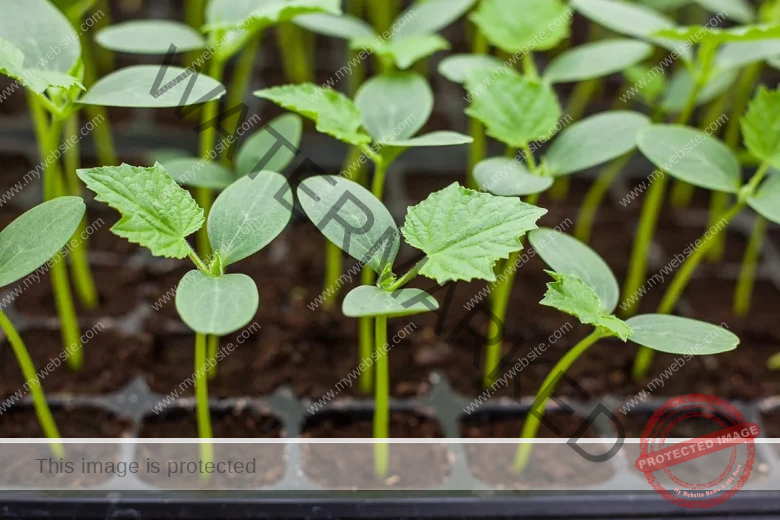
Start seeds indoors two to three weeks before your last frost if you want a head start. Use a light seed starting mix and plant seeds about a quarter inch deep.
They germinate slowly compared to cucumbers, sometimes taking up to two weeks. Patience matters here.
If starting outdoors, wait until soil is warm. Cold soil delays germination and can rot seeds.
Transplanting or Direct Sowing
Transplant seedlings once they have a few true leaves and nighttime temperatures stay warm.
Harden them off gradually. Cucamelons dislike sudden temperature swings.
When direct sowing, plant seeds in small clusters and thin later. This improves your odds if some seeds fail.
Spacing and Support
Cucamelons are vigorous climbers. Give them space to roam or something to climb.
I strongly recommend a trellis, fence, or arch. Vertical growth improves airflow, keeps fruits clean, and makes harvesting easier.
Space plants about one foot apart if trellised. If letting them sprawl, give them more room.
Soil Preparation and Feeding
Cucamelons are not heavy feeders, but good soil makes a difference.
Work compost into the soil before planting. This improves drainage and nutrient balance.
Avoid excessive nitrogen. Too much leafy growth can reduce flowering and fruiting.
A balanced organic fertilizer applied lightly mid season is usually enough.
Watering Cucamelons the Right Way
Consistent moisture matters, especially during flowering and fruit set.
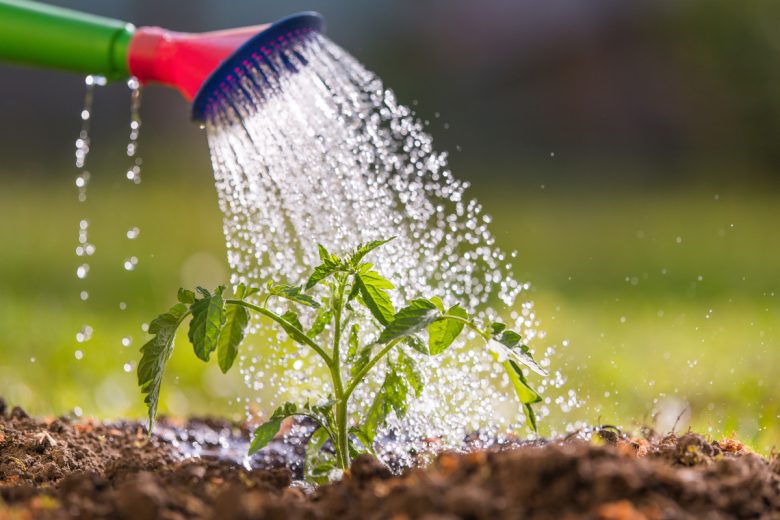
Water deeply rather than frequently. This encourages strong root growth.
Mulch helps retain moisture and keeps soil temperatures steady.
Avoid soaking the leaves late in the day to reduce disease risk.
Flowering and Pollination
Cucamelons produce separate male and female flowers on the same plant.
Pollination is usually handled by insects, but the plants are generous with flowers, so fruit set is rarely an issue.
If pollinators are scarce, gently shaking the vines can help.
A Relatable Garden Moment
One summer, after a stretch of brutal heat, my cucumbers gave up entirely. Leaves wilted. Flowers dropped. I was ready to call the season early. Meanwhile, the cucamelons climbed higher, flowered more, and kept producing like nothing had happened. That was the moment they earned permanent space in my garden rotation.
Managing Pests and Diseases
One of the biggest joys of growing the Mexican sour gherkin is how little trouble they attract.
Occasional aphids may show up, but they rarely cause serious damage.
Powdery mildew is uncommon, especially with good airflow.
Healthy soil and spacing do most of the work for you.
Harvesting Cucamelons at the Right Time
Harvest when fruits are grape sized and firm.
Do not wait too long. Overripe cucamelons become seedy and less crisp.
Regular harvesting encourages more production.
Check vines every couple of days during peak season.
How Long Do Cucamelons Produce?
Once they start, cucamelons keep going.
With good care, they produce steadily until frost.
In warm climates, they can behave like short lived perennials.
Saving Seeds for Next Season
Seed saving is easy.
Let a few fruits fully ripen on the vine until they soften.
Scoop out seeds, rinse, and dry thoroughly.
Store in a cool, dry place.
Using Cucamelons in the Kitchen
Cucamelons shine in simple preparations.
Eat them fresh as snacks.
Slice into salads.
Pickle whole for crunchy treats.
Add to drinks for a surprising garnish.
Their flavor surprises people every time.
Common Mistakes to Avoid
Planting too early in cold soil slows growth.
Overwatering leads to weak roots.
Skipping support creates tangled vines and missed harvests.
Ignoring regular harvesting reduces yield.
FAQs From Curious Growers
Are cucamelons easy for beginners?
Yes. They are forgiving and resilient.
Do they taste like cucumbers?
Similar, but brighter and slightly citrusy.
Can I grow them in containers?
Yes, with a large pot and support.
Are they invasive?
No, but they grow vigorously.
Growing Cucamelons in Containers
Choose a deep container with good drainage.
Use rich but well draining potting mix.
Provide a sturdy trellis.
Water more frequently than in ground plants.
When Things Go Wrong
If growth stalls, check temperature and soil moisture.
Yellowing leaves often signal overwatering.
Few fruits usually mean missed harvests or lack of sunlight.
Most issues correct themselves with small adjustments.
A Final Word From One Grower to Another
Cucamelons are one of those plants that remind you why you started gardening in the first place. They are playful, productive, and a little unexpected. They do not demand perfection. They reward attention. And they turn a simple garden walk into a moment of discovery every time you spot another tiny striped fruit hiding among the leaves.
If you are looking to add something joyful, reliable, and just a bit different to your garden, give cucamelons a chance. You might find yourself saving seeds, sharing harvests, and smiling every time someone asks what those little fruits are called, and when you look ahead to your next growing season, can you already picture where you would plant them again?