 Adewebs
I still remember the first time I planted Creeping Myrtle along the edge of our old tool shed. That patch of ground had defeated everything else I tried. Grass thinned out. Wildflowers sulked. Even the weeds looked tired. The soil was dry from tree roots, the sun barely touched it, and every spring I would stand there with a shovel wondering if I should just give up and lay gravel. Have you ever had a spot like that? A stubborn corner that seems determined to stay bare no matter how much effort you pour into it?
Back then, I was younger and more impatient. I wanted quick results. Big blooms. Instant impact. But farming teaches you something about patience. Some plants are showoffs. Others are workers. Creeping Myrtle turned out to be a worker. It did not complain about the shade. It did not demand constant watering. It simply settled in, stretched its runners quietly across the soil, and got to work covering what used to embarrass me every time neighbors walked by.
Now, years later, that same area is a thick green carpet with soft purple blooms each spring. Kids cut across it without harming it. Rain washes over it without eroding the soil. And I often catch myself thinking how close I came to giving up on that patch. If you are looking to grow Creeping Myrtle also known as Vinca Minor, whether on a farm, a backyard, or a small urban plot, let me walk you through what I have learned the hands on way.
What Is Creeping Myrtle and Why Grow It?
Creeping Myrtle Vinca Minor is a low growing evergreen ground cover known for glossy green leaves and violet blue flowers. Some folks call it periwinkle. Around here, we just call it reliable.
It spreads by trailing stems that root as they travel. That makes it excellent for covering slopes, shady areas, and spots where grass refuses to cooperate. If you are tired of mowing or battling weeds, this plant might feel like a quiet victory.
It thrives where other plants struggle. Under trees. Along fences. On banks where rain likes to steal your topsoil. It asks for little once established. That alone makes it worth considering.
Is Creeping Myrtle Right for Your Space?
Let me ask you something. Do you have a shady area that feels like wasted land? Or maybe a hillside that keeps washing away after heavy rain? Creeping Myrtle Vinca Minor handles both situations better than most ground covers I have grown.
It prefers partial to full shade, though it tolerates some sun in cooler climates. In very hot regions, too much direct afternoon sun can stress it. I have seen leaves yellow when planted in harsh southern exposure with no relief.
It grows best in well drained soil, but it is not picky about soil type. Clay, sandy loam, average garden soil. It adapts. That flexibility is gold for beginners who are still figuring things out.
When to Plant Creeping Myrtle
Timing makes life easier. Early spring and early fall are the best windows for planting Creeping Myrtle Vinca Minor. The soil is cool, moisture levels are steady, and the plant can focus on root development rather than survival.
Planting in midsummer heat can work, but you will need to water more consistently. I once planted a batch in July during a busy harvest season. I missed a few watering days and paid for it with stressed plants.
If you live in a colder region, aim for spring planting so roots establish before winter sets in. In milder climates, fall planting works beautifully.
How to Plant Creeping Myrtle Step by Step
First, clear the area of weeds and grass. Creeping Myrtle spreads, but it does not enjoy heavy competition at the start. Loosen the soil about six inches deep.
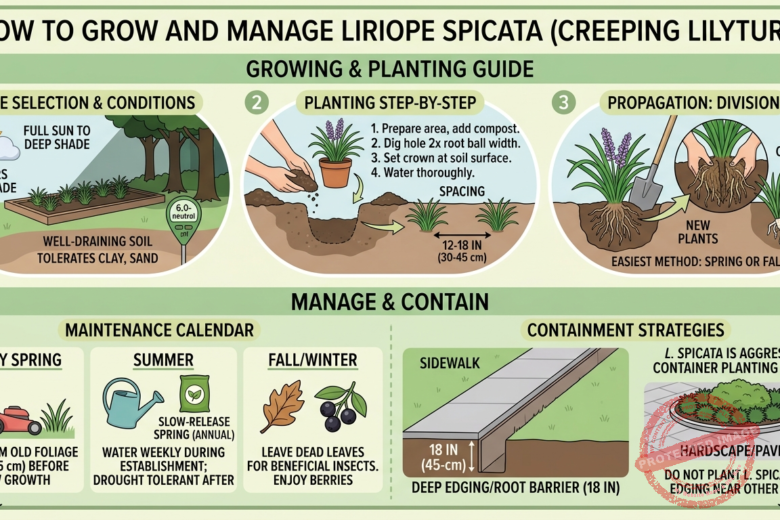
Dig holes slightly larger than the root balls. Space plants about twelve inches apart if you want full coverage within a couple of seasons. You can space them farther apart to save money, but patience will be required.
Place each plant at the same depth it grew in its container. Backfill gently and press the soil down to remove air pockets. Water thoroughly. That first deep watering helps roots settle in and begin exploring.
Watering and Early Care
During the first growing season, consistent moisture is important. Not swampy. Just evenly moist soil. Stick your finger in the ground. If the top inch feels dry, it is time to water.
Once established, Creeping Myrtle Vinca Minor becomes drought tolerant. I rarely water my mature patches unless we have gone weeks without rain. They handle dry spells better than many other ground covers.
Too much water, especially in poorly drained soil, can lead to root problems. If leaves begin yellowing and the soil feels soggy, ease up.
Feeding and Soil Health
Creeping Myrtle is not a heavy feeder. A light application of compost in early spring keeps it happy. I spread a thin layer around the base and let nature do the rest.
If growth seems slow, a balanced fertilizer once in spring is enough. Avoid over fertilizing. Excess nutrients can encourage overly lush growth that becomes vulnerable to disease.
Healthy soil does most of the work. Add organic matter when planting and you are already ahead.
Real Life Scenario From the Farm
A few years back, a customer visited the farm looking frustrated. She had a shaded backyard in town where grass refused to grow. Her kids wanted a soft place to play. She was tired of mud and patchy weeds.
We talked about Creeping Myrtle Vinca Minor. She hesitated. Would it really fill in? Would it survive city soil? I told her about my shed corner. She planted it that spring.
The following year she sent me a photo. A lush green carpet dotted with purple blooms. Her message read, I finally have a yard I am not embarrassed by. That is what this plant can do.
How Fast Does Creeping Myrtle Spread?
It spreads steadily rather than aggressively in most conditions. Expect moderate growth each season. Within two to three years, a properly spaced planting usually fills in nicely.
If you want faster coverage, plant closer together. Twelve inches apart is a good standard. Some growers go as tight as eight inches for quicker results.
Remember, it spreads by rooting stems. As they touch soil, they anchor and expand the patch.
Managing and Controlling Spread
Now let us be honest. Creeping Myrtle Vinca Minor can spread beyond its welcome if ignored. I have had to trim edges along garden beds to keep it from creeping into vegetable rows.
Edging barriers help define borders. A simple spade cut along the perimeter once or twice a year keeps it tidy. It is not a plant you must fight constantly, but it appreciates clear boundaries.
If you are planting near natural areas, check local guidelines. In some regions it can naturalize aggressively.
Common Problems and How to Fix Them
Leaf spot can appear in humid conditions. Good air circulation helps prevent it. Avoid overcrowding and water at the base rather than overhead.
Yellow leaves often signal poor drainage or overwatering. Adjust watering habits and improve soil drainage if needed.
Sparse growth usually points to poor soil preparation or heavy shade with root competition from large trees. Adding compost and thinning tree roots carefully can help.
How to Use Creeping Myrtle in Landscaping
Under trees is my favorite spot. It handles root competition better than most ground covers.
Along slopes it reduces erosion. Its roots knit the soil together and slow runoff.
Around barns, sheds, and fence lines it creates a finished look without constant mowing. In small urban gardens, it softens hard edges and reduces maintenance.
FAQs About Creeping Myrtle Vinca Minor
Does Creeping Myrtle stay green year round?
Yes, in most climates it remains evergreen. In colder regions, foliage may bronze slightly in winter but recovers in spring.
Can Creeping Myrtle grow in full sun?
It tolerates some sun, especially in cooler areas. In hot climates, partial to full shade works best.
How often should I water it?
Water regularly during the first season. After establishment, only during extended dry periods.
Is Creeping Myrtle deer resistant?
Deer usually avoid it, which makes it useful in rural areas where browsing can be a problem.
Can I divide Creeping Myrtle?
Yes. In spring or fall, lift rooted sections and transplant them elsewhere. It is one of the easiest plants to share with neighbors.
Seasonal Care Tips
In early spring, remove any winter damaged stems. A light trim refreshes the patch and encourages new growth.
During summer, monitor moisture during drought. Mulch lightly if soil dries too quickly.
In fall, check edges and trim runners that wander. That small bit of attention keeps things neat.
Final Thoughts From the Field
Growing Creeping Myrtle Vinca Minor taught me something about patience and persistence. It is not flashy. It does not demand constant praise. It simply grows, spreads, and covers what once felt like failure.
If you have a patch of ground that seems hopeless, maybe it is not hopeless at all. Maybe it just needs the right plant. Sometimes success in gardening is less about trying harder and more about choosing smarter.
So take that stubborn corner, plant your Creeping Myrtle, water it well, and give it time. A year from now you might be the one sending photos of a lush green carpet to someone who feels just as frustrated as you once did. And when that happens, will you remember the day you decided to give that bare patch one more chance? 🌿