 Adewebs
In this article, we will take the time to teach you how to trim a Japanese maple. In addition to showing you how to trim it, we will also explain what a Japanese maple is for beginners and ho to identify it.
Japanese maples are prized for their delicate leaves, graceful branching, and striking seasonal colors that can transform any garden into a focal point. Their naturally elegant structure is what makes them so appealing, but without proper care, they can become dense and lose their signature airy look. Thoughtful pruning helps maintain their beauty while allowing each branch to stand out.
Regular trimming not only improves the tree’s appearance but also supports its overall health. By removing dead, damaged, or overcrowded branches, you allow better air circulation and sunlight to reach the inner canopy. This reduces the risk of disease and encourages steady, balanced growth throughout the seasons. When done correctly, pruning becomes more than routine care—it enhances the tree’s natural form rather than forcing it into shape.
This step-by-step guide explains when and how to trim a Japanese maple with confidence, even if you’re doing it for the first time. With the right timing, tools, and approach, you can keep your tree healthy, well-shaped, and visually striking year after year.
What is Japanese Maple?
In our previous post on Japanese Maple, we talked about list of best dwarf Japanese Maple varieties you should consider growing. And before we progress into how to trim a Japanese Maple, Let us first look at what this plant is.
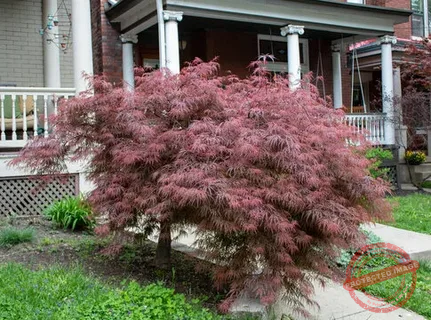
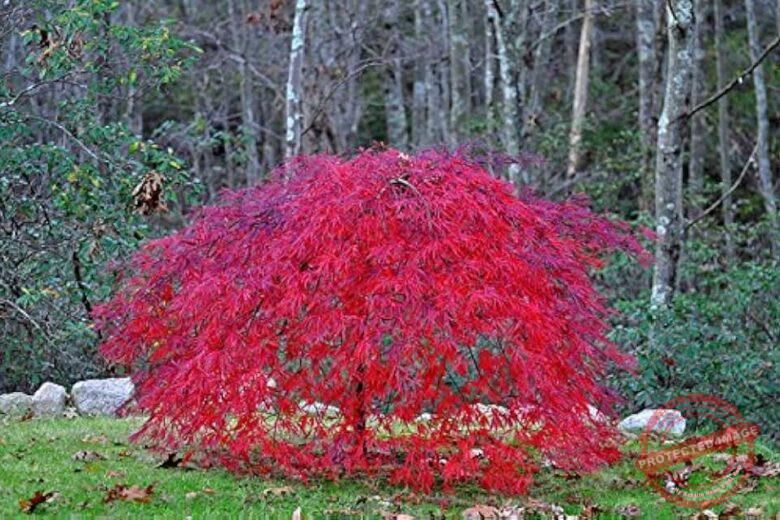
A Japanese maple is a small ornamental tree or shrub known for its elegant shape, finely cut leaves, and vibrant seasonal colors. It belongs to the species Acer palmatum and is native to Japan, Korea, and parts of China. These trees are widely grown in gardens and landscapes because of their unique beauty and ability to thrive in a variety of settings, including small yards and containers.
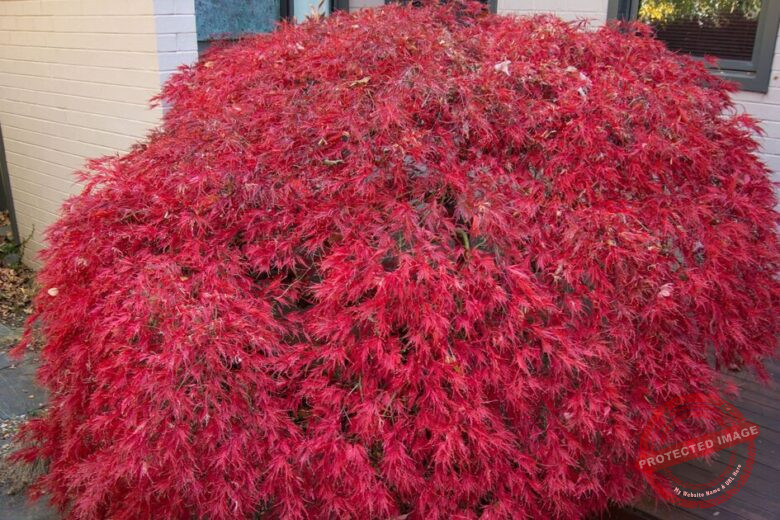
Japanese maples are especially admired for their leaves, which can range in color from deep green to rich red, purple, and even golden tones. In autumn, the foliage often turns brilliant shades of red, orange, or yellow, making the tree a standout feature. Their branches tend to grow in a layered, graceful pattern, giving them a naturally artistic appearance.
Because of their manageable size and striking look, Japanese maples are commonly used as focal points in gardens, patios, and landscaped areas. With proper care—including watering, protection from harsh sun, and occasional pruning—they can live for many years and continue to enhance outdoor spaces with their beauty.
Why Trimming Matters
Regular pruning helps to:
- Improve air circulation and sunlight penetration
- Remove dead or diseased branches
- Maintain an elegant, balanced shape
- Encourage healthy growth
Japanese maples don’t need heavy pruning, but occasional trimming keeps them looking their best.
Best Time to Trim a Japanese Maple
Timing is important. The ideal periods are:
- Late winter to early spring (before new growth begins)
- Mid-summer (for light shaping and thinning)
Avoid pruning in late fall, as this can expose the tree to cold damage.
Tools You’ll Need
Make sure your tools are clean and sharp:
- Hand pruners (for small branches)
- Loppers (for medium branches)
- Pruning saw (for thicker limbs)
- Gloves for protection
Clean tools reduce the risk of spreading disease.
Step-by-Step Guide to Trimming
Step 1: Inspect the Tree
Start by observing the tree from a distance. Look for:
- Dead or broken branches
- Crowded areas
- Branches crossing or rubbing against each other
This helps you plan your cuts before you begin.
Step 2: Remove Dead or Damaged Wood
Cut away any dead, diseased, or broken branches first. These can weaken the tree and attract pests.
- Make clean cuts just above a bud or branch junction
- Avoid leaving stubs
Step 3: Thin Out Crowded Areas
Japanese maples thrive with good airflow.
- Remove branches that grow inward toward the center
- Eliminate crossing branches that may rub together
- Focus on opening up the canopy without over-thinning
A light touch is key—less is more.
Step 4: Shape the Tree Naturally
Instead of forcing a shape, follow the tree’s natural structure.
- Maintain the layered, flowing look
- Trim back overly long branches to balance the tree
- Step back often to check your progress
Avoid cutting too much at once.
Step 5: Cut Above Buds or Side Branches
Always prune just above a bud or side branch.
- This encourages healthy regrowth
- Directs the shape of future growth
Make angled cuts to prevent water from collecting on the wound.
Step 6: Avoid Over-Pruning
Never remove more than 20–30% of the tree at once.
Over-pruning can stress the tree and reduce its vigor. If major reshaping is needed, spread it over a couple of seasons.
Common Mistakes to Avoid
- Cutting too much at once
- Pruning at the wrong time of year
- Using dull or dirty tools
- Forcing unnatural shapes
Keeping things simple and gentle usually gives the best results.
Aftercare Tips
After trimming:
- Water the tree properly, especially in dry weather
- Apply mulch around the base to retain moisture
- Avoid heavy fertilizing immediately after pruning
Healthy aftercare helps the tree recover quickly and continue thriving.
Final Thoughts
Trimming a Japanese maple doesn’t require complicated techniques—just patience and a careful eye. By removing problem branches, improving airflow, and shaping gently, you’ll keep your tree healthy and visually stunning year-round.
With regular attention and the right timing, your Japanese maple can remain a standout feature in your garden for many years.
Frequently Asked Questions (FAQs)
1. How often should I trim a Japanese maple?
Light pruning once a year is usually enough. Some trees may only need trimming every couple of years depending on growth.
2. Can I prune a Japanese maple in summer?
Yes, summer is suitable for light thinning and shaping, but avoid heavy pruning during very hot weather.
3. What happens if I over-prune my Japanese maple?
Over-pruning can stress the tree, reduce foliage, and affect its natural shape. Recovery may take several growing seasons.
4. How do I know which branches to cut?
Focus on dead, damaged, crossing, or inward-growing branches. These are the most important to remove.
5. Should I seal pruning cuts?
In most cases, sealing is not necessary. Japanese maples naturally heal their cuts when pruned correctly.
6. Can I shape my Japanese maple into a specific design?
It’s best to follow the natural growth pattern. Forcing a shape can harm the tree and reduce its visual appeal.
7. Is it safe to trim a young Japanese maple?
Yes, but only lightly. Young trees need minimal pruning to establish a strong structure.
8. Why are some branches dying back?
This can be due to disease, poor airflow, or environmental stress. Remove affected branches and monitor the tree’s condition.
9. Can I use regular garden shears for pruning?
Small shears can work for thin branches, but proper pruning tools provide cleaner cuts and better results.
10. How long does it take for a Japanese maple to recover after pruning?
Most trees recover within one growing season, especially when pruning is done correctly and not excessive.