 Adewebs
The first jalapeño plant I ever grew taught me patience in a way tomatoes never did. I planted it with high expectations, imagining bowls of fresh peppers within weeks. Instead, it sat there quietly. Green. Still. Almost stubborn. Every morning I walked past it, checking the jalapeño leaves, wondering if I had done something wrong. Was the soil off? Too much water? Not enough sun? It took time to realize that jalapeños are not in a rush, and once you understand their rhythm, they reward you generously.
Growing jalapeños is a little like learning a new friendship. You pay attention. You observe. You respond. They like warmth but not stress. They want water but not soggy feet. They thrive when left alone just enough. Once that balance clicks, you suddenly find yourself harvesting peppers faster than you can use them. That is when the excitement starts, when neighbors begin asking for extras and your kitchen smells faintly spicy more often than not.
If you have ever stood in your garden holding a young pepper plant and wondered whether you were doing it right, you are in good company. Jalapeño cultivation looks simple on paper, but real success comes from understanding the small details that only show up once your hands are in the soil. Let us walk through the whole process together, from planting to harvest, the way I would explain it to someone leaning against the fence with a cup of coffee and a lot of curiosity.
Understanding Jalapeño Peppers Before You Plant
Jalapeños are warm season peppers that love sunshine and steady temperatures. They are part of the Capsicum annuum family, which also includes bell peppers and chili peppers.
They grow as compact bushes rather than tall vines. With good care, one plant can produce dozens of peppers over the season.
They are versatile in the kitchen and forgiving in the garden once established.
Choosing the Right Location in Your Garden
Jalapeños thrive in full sun. Aim for at least six to eight hours of direct sunlight each day.
Good airflow helps prevent disease, especially in humid climates.
Avoid low lying spots where water collects after rain. Jalapeños hate wet roots.
If space is limited, they do just as well in large containers.
Soil Preparation Makes All the Difference
Healthy soil is the foundation of successful jalapeño cultivation.
Use loose, well draining soil rich in organic matter.
Work compost into the bed before planting to improve structure and nutrients.
Avoid heavy clay soils unless amended, as poor drainage leads to root stress.
Starting Jalapeños from Seed
Starting from seed gives you more variety and control.
Begin seeds indoors eight to ten weeks before your last frost.
Use a seed starting mix and keep soil warm. Jalapeños germinate slowly in cool conditions.
Patience matters here. Some seeds take two weeks to sprout.
Transplanting Seedlings Outdoors
Wait until nighttime temperatures stay consistently warm.
Harden seedlings off gradually by exposing them to outdoor conditions.
Plant at the same depth they grew indoors.
Water well after transplanting to reduce shock.
Spacing Jalapeño Plants Correctly
Give plants enough room to breathe.
Space plants about eighteen inches apart.
Crowded plants compete for nutrients and airflow.
Good spacing improves yield and reduces disease risk.
Watering Jalapeños Without Overdoing It
Consistent watering keeps plants healthy.
Water deeply rather than frequently.
Let the top inch of soil dry out between waterings.
Overwatering leads to yellowing jalapeño leaves and poor fruit set.
Feeding Jalapeños for Steady Growth
Jalapeños are moderate feeders.
Use a balanced fertilizer early in the season.
Switch to a fertilizer higher in phosphorus once flowering begins.
Avoid excessive nitrogen, which produces leaves at the expense of peppers.
Watching the Jalapeño Leaves for Clues
Leaves tell you a lot about plant health.
Dark green leaves usually mean good nutrition.
Yellowing may indicate overwatering or nutrient imbalance.
Curling leaves can signal heat stress or pest issues.
Supporting Jalapeño Plants as They Grow
As plants mature, branches can become heavy with fruit.
Use stakes or small cages for support.
This prevents stems from breaking under the weight of peppers.
Support also improves airflow around the plant.
A Real Garden Moment Worth Sharing
One season, after weeks of healthy growth, my jalapeño plants suddenly dropped flowers. No peppers followed. I was frustrated and blamed myself. A neighbor walked over, took one look, and said, “Too much water.” I cut back, let the soil dry slightly, and within days, new flowers appeared. Sometimes the fix is simpler than we think.
Flowering and Pollination
- Jalapeños produce self pollinating flowers.
- Wind and insects help, but hand pollination is rarely necessary.
- Stress from heat or water imbalance can cause flowers to drop.
- Maintaining steady conditions improves fruit set.
Managing Heat and Weather Stress
These are some of the ways you can actually manage heat and weather stress on this plants;
- Jalapeños love warmth but not extremes.
- During intense heat, provide light afternoon shade.
- Mulch helps regulate soil temperature.
- Avoid watering during peak heat hours.
Common Pests That Target Jalapeños
- Aphids may gather on tender growth.
- Spider mites thrive in dry conditions.
- Inspect leaves regularly and act early.
- Organic sprays or strong water sprays often solve the problem.
Disease Prevention in Jalapeño Plants
This diseases prevent Jalapeño pepper from flourishing;
- Good airflow reduces fungal issues.
- Avoid wetting leaves late in the day.
- Rotate crops yearly to prevent soil borne diseases.
- Healthy plants resist problems better than stressed ones.
Harvesting Jalapeños at the Right Time
When is the best time to harvest Jalapeños pepper plants;
- Harvest peppers when they reach full size and are firm.
- Green jalapeños are picked before ripening.
- Red jalapeños are fully ripe and sweeter.
- Regular harvesting encourages more production.
How Often Jalapeños Produce
- Once production starts, it continues steadily.
- Harvest every few days during peak season.
- Leaving peppers too long slows new growth.
- Frequent picking keeps plants productive.
Saving Seeds from Jalapeños
Choose fully ripe peppers.
Remove seeds and dry thoroughly.
Store in a cool, dry place.
Seed saving preserves varieties you love.
Growing Jalapeños in Containers
Use pots at least five gallons in size.
Ensure good drainage holes.
Water containers more frequently.
Container plants benefit from regular feeding.
Companion Planting with Jalapeños
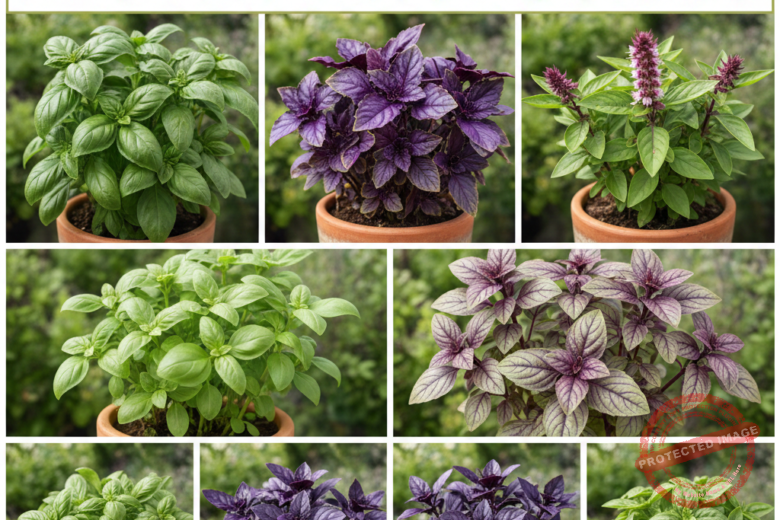
Basil grows well nearby.
Onions help deter pests.
Avoid planting near fennel.
Good companions support healthier plants.
When Jalapeño Plants Stop Producing
Heat stress can slow production.
Nutrient depletion affects yield.
Pruning lightly can encourage new growth.
Patience often brings a second flush.
FAQs from Gardeners Who Love Peppers
How long before jalapeños produce fruit?
Usually seventy to ninety days from transplant.
Why are my jalapeños not spicy?
Stress increases heat. Mild conditions reduce it.
Can jalapeños overwinter?
In warm climates or indoors, yes.
Do jalapeños need pruning?
Light pruning improves airflow but is optional.
How to Increase Jalapeño Heat Naturally
Reduce watering slightly once fruit sets.
Allow peppers to ripen longer.
Avoid excessive fertilizer.
Stress carefully and moderately.
Cooking and Preserving Jalapeños
Fresh peppers add crunch and heat.
Pickling extends shelf life.
Freezing works well for cooking.
Drying concentrates flavor.
Teaching New Gardeners to Grow Jalapeños
Start with healthy seedlings.
Focus on soil and sunlight.
Encourage observation.
Mistakes are part of learning.
Common Mistakes to Avoid
Here are common mistakes you need to avoid if you want to grow Jalapeños pepper;
- First, you need to avoid overwatering young plants.
- next is Planting too early.
- Ignoring soil quality.
- Lastly, Overfeeding with nitrogen.
Final Thoughts from One Grower to Another
Jalapeños are honest plants. They tell you what they need if you are willing to listen. The color of the leaves, the strength of the stems, the timing of the flowers, all of it speaks quietly but clearly. Growing them well is less about following strict rules and more about building awareness through experience.
Once you get the hang of jalapeño cultivation, they become one of the most satisfying crops in the garden. Reliable. Productive. Flavorful. They remind you that patience pays off and that a little attention goes a long way. As you plan your next planting season and imagine those glossy green peppers hanging from sturdy plants, can you already picture yourself harvesting your first jalapeño and smiling at how far you have come as a grower?