 Adewebs
There’s always that one stubborn patch in the garden.
Too shady for grass.
Too dry for flowers.
Too awkward to ignore.
For years, I tried fixing mine with plants that simply weren’t built for the job. They struggled. I blamed myself.
Then I discovered Pachysandra — and everything changed.
If you’ve ever felt like you don’t have a green thumb, this guide will show you exactly how to plant and care for Pachysandra successfully — even in small urban spaces.
By the end, you’ll know:
- Where to plant Pachysandra
- How to prepare soil properly
- How often to water
- How to avoid common beginner mistakes
- How to maintain thick, healthy coverage year-round
Let’s turn that bare patch into something alive.
What Is Pachysandra?
Pachysandra terminalis, commonly known as Japanese spurge, is an evergreen ground cover plant that thrives in partial to full shade.
It spreads through underground runners, forming a dense green carpet that:
- Suppresses weeds
- Prevents soil erosion
- Stays green in many climates
- Requires minimal maintenance once established
If grass refuses to grow in your shaded yard, Pachysandra is often the perfect solution.
How to Plant Pachysandra (Step-by-Step)
Proper planting is what separates thriving ground cover from disappointment. Here’s exactly how to do it right.
1. Choose the Right Location
Pachysandra grows best in:
- Partial to full shade
- Well-draining soil
- Slightly acidic to neutral soil
Avoid full sun exposure, especially in hot climates. Direct afternoon sun can scorch leaves.
Pro Tip: If the area gets less than 4 hours of direct sunlight daily, it’s likely ideal.
2. Prepare the Soil Correctly
This is where most beginners cut corners — and regret it.
- Loosen soil 6 inches deep.
- Remove weeds and grass roots.
- Mix in compost or organic matter.
- Ensure drainage is good (no standing water).
Healthy soil at the beginning reduces 80% of future problems.
When you squeeze the soil, it should feel loose and slightly moist — not compacted or muddy.
3. Space Plants Properly
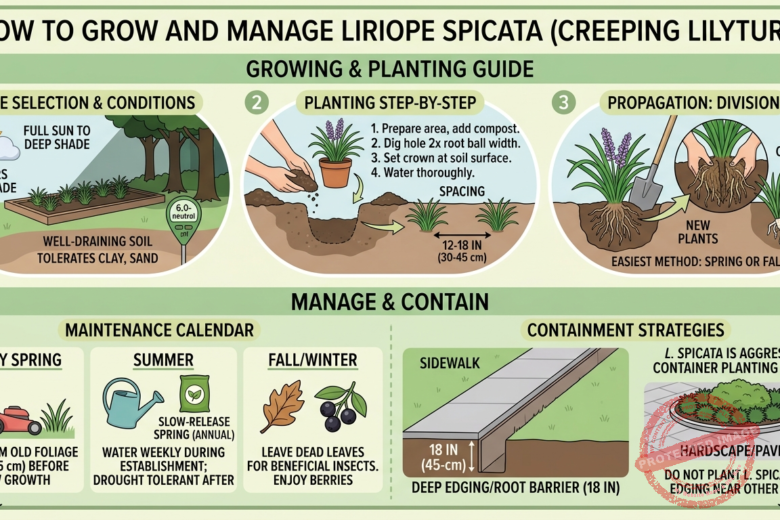
Space Pachysandra plants 6–12 inches apart.
If you want faster coverage, plant closer together.
If you’re patient and budget-conscious, wider spacing works — it just takes longer to fill in.
Water thoroughly after planting to help roots settle.
4. Watering Schedule for Pachysandra
First 4–6 Weeks (Establishment Phase)
- Keep soil consistently moist.
- Do not allow soil to dry out completely.
After Establishment
- Water during prolonged dry periods.
- Avoid overwatering.
- Ensure soil drains well.
Yellowing leaves often signal overwatering, not underwatering.
5. Add Mulch for Better Growth
Apply a thin 1–2 inch layer of mulch around plants.
Benefits:
- Retains moisture
- Controls weeds
- Stabilizes soil temperature
Avoid piling mulch against stems — this can cause rot.
How to Care for Pachysandra Year-Round
Once established, Pachysandra is low maintenance — but a little care keeps it thriving.
Fertilizing
- Apply a balanced, slow-release fertilizer in early spring.
- Compost works beautifully as a natural alternative.
Pruning and Trimming
In early spring:
- Trim leggy growth.
- Remove winter-damaged leaves.
- Encourage denser spreading.
Light trimming once a year keeps the carpet thick.
Controlling Spread
Pachysandra spreads steadily.
If you need boundaries:
- Install edging
- Trim runners annually
It’s easier to manage than many invasive ground covers.
Common Pachysandra Problems (And How to Fix Them)
Yellow Leaves
Cause:
- Overwatering
- Poor drainage
Solution:
- Improve drainage
- Reduce watering frequency
Brown or Scorched Leaves
Cause:
- Too much direct sun
Solution:
- Provide more shade
- Replant in a better location if necessary
Patchy Growth
Cause:
- Poor soil preparation
- Planting too far apart
Solution:
- Improve soil with compost
- Fill gaps with new plants
Most issues are correctable. Pachysandra is resilient.
Why Pachysandra Is Perfect for Urban and Small Gardens
If you live in a city or have limited space, Pachysandra offers:
- Weed suppression without chemicals
- Reduced lawn maintenance
- A clean, finished look in tight areas
- Greenery under trees or between buildings
It turns unusable shade into functional beauty.
And once you see it spread…
Something shifts.
You realize you can grow things.
The Psychological Benefits of Growing Ground Cover
There’s something deeply satisfying about watching bare soil disappear under living green.
It feels stable. Calm. Complete.
When Pachysandra fills in:
- You worry less about weeds.
- You spend less time maintaining.
- You enjoy your space more.
Gardening doesn’t have to be overwhelming.
Sometimes it starts with one reliable plant — and a decision to try.
Frequently Asked Questions About Pachysandra
How fast does Pachysandra spread?
It typically fills in within 1–3 growing seasons, depending on spacing and growing conditions.
Does Pachysandra stay green year-round?
In many temperate climates, yes. It is an evergreen ground cover.
Can Pachysandra grow under trees?
Yes — it competes well with tree roots and thrives in shade.
Is Pachysandra high maintenance?
No. After establishment, it requires minimal watering and occasional trimming.
Final Thoughts: Start With One Shaded Patch
You don’t need a huge yard.
You don’t need years of experience.
You need:
- A shaded space
- Proper soil prep
- A few Pachysandra plants
- Patience
That’s it.
Gardening confidence doesn’t appear overnight.
It grows — just like ground cover.
And Pachysandra is one of the easiest places to begin.