 Adewebs
If you have spent any time around small homesteads or scrolling through farm accounts online, you have probably come across those adorable teacup mini cows. They look like something out of a storybook, standing there with their fuzzy coats, round noses, and eyes that seem too big for their own good. When I got my first miniature highland cows years ago, I remember thinking the same thing everyone thinks at the start. Are they really that small? Are they really that easy to care for? And the big one, are they worth the hype? Let me tell you something. These tiny cattle bring plenty of joy, but they also come with truths that every new farmer deserves to hear before welcoming them into the pasture.
When I first stepped into the world of mini cattle, I was convinced these little animals would live in perfect harmony with my chickens, garden beds, and weekend schedule. I grew up on a full sized cattle farm, so shifting to tiny cows felt like trading in a tractor for a bicycle. Cute, manageable, peaceful. But I quickly learned that teacup mini cows still have the heart, instincts, and appetite of their larger relatives. They may fit in smaller spaces, but they still need attention, planning, and some good old farm grit. I often tell people that this lifestyle teaches you as much as you teach the animals. If you listen closely, you will even hear lessons hiding in the way they graze or how they respond to weather changes.
There is a lot of misunderstanding out there, especially from folks who only see the polished side of mini cattle farming. You see the fluffy coats, the perfect sunset photos, and the friendly routines posted online, but very few share the full story. New farmers get caught up thinking teacup mini cows are more like pets than livestock. And while these little ones can be affectionate and sweet, they still require the same respect you would give any farm animal. This guide aims to clear things up in a way that feels honest, direct, and rooted in daily farm life. If you are curious about miniature highland cows or thinking about bringing some home, this might save you a few surprises.
What Is a Teacup Mini Cow Really?
Teacup mini cows are essentially very small breeds or carefully selected bloodlines of standard cattle. They are not a different species. They are simply cattle with smaller frames and gentler growth patterns. Many new farmers get confused when they hear the word teacup, because it sounds almost unrealistic. There is no cow in the world that can fit in a literal teacup, but the name stuck because it paints a picture of something tiny and adorable.
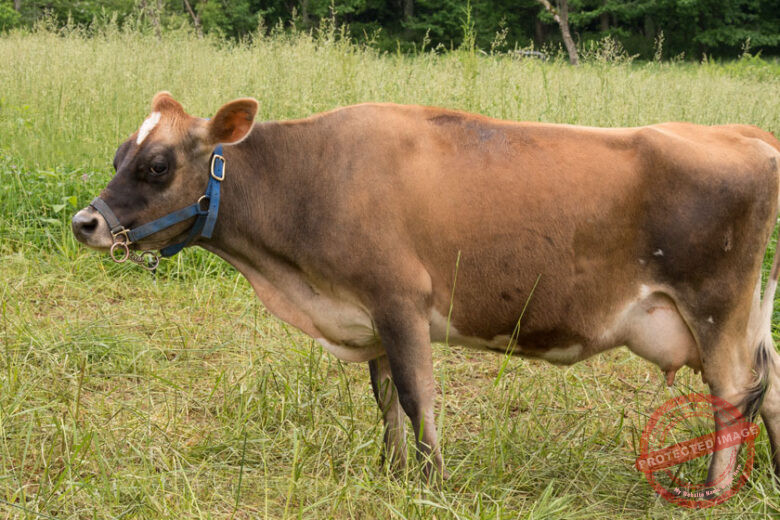
You might hear terms like micro mini, teacup mini, or miniature highland cows used interchangeably, but size varies from breeder to breeder. A true mini stands well below your waist and often weighs between 300 and 700 pounds once fully grown. They are smaller than standard cattle, but not something you can carry in your arms.
Why People Love Mini Cows
Many folks fall in love with teacup mini cows because they seem easier to manage. And that is partly true. They take up less space, have a calmer temperament, and do not require the same heavy duty equipment that full sized cattle need. They also produce less waste, which makes them attractive for homesteads with limited acreage.
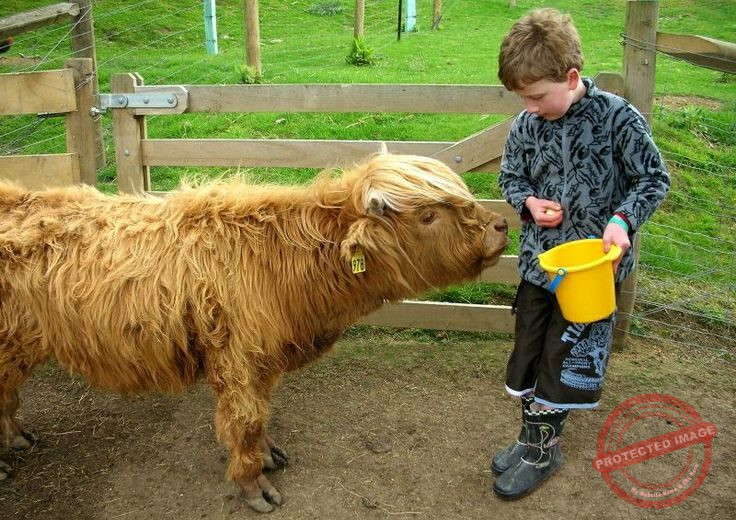
When one of my grandkids first met our mini highland calf, she reached out and said it looked like a walking stuffed animal. She was not wrong.
Another reason people love them is the companionship. Some mini cows enjoy being brushed, hand fed, or walked around the pasture. They have personalities that shine. If you have ever wanted livestock that makes you smile first thing in the morning, these little ones might be your match.
The Real Truth About Care Requirements
Mini cows might be small, but their care routines are not as tiny as people assume. They still need proper shelter with steady ventilation, a safe fence line, and clean water at all times. I remember one rainy week when my first mini highland cow refused to leave the barn because she disliked the mud. That experience taught me quickly that even tiny cattle have preferences and moods.
Their nutritional needs remain similar to larger cows. They require hay during dry seasons, mineral supplements, and access to fresh forage whenever possible. If you live in a region where grass becomes dry or sparse, you must plan for additional feed. While they eat less overall, they still need consistent nutrition.
How Much Land Do You Really Need?
Most new farmers assume teacup minis can live comfortably on a tiny patch of yard. But even small cattle need room to graze, roam, and express natural behaviors. I usually tell beginners to provide at least half an acre per cow, more if you want happy animals and healthier grazing cycles.
Land also affects how often you must rotate pastures. Overgrazing is a common mistake among new mini cattle farmers. If you have miniature highland cows, you know they are big fans of nibbling tender shoots until nothing remains. Rotating pastures protects both your land and your animals.
The Myth of the Effortless Pet Cow
One of the most misleading ideas out there is that teacup mini cows behave like oversized puppies. While some enjoy attention, they are not pets in the traditional sense. They still have herd instincts and prefer living with companions. A lonely mini cow can become stressed or destructive.
I once had a farmer friend who bought a single teacup mini cow because he thought it would be cute to have one around the yard. Within a month, the poor thing was pacing, mooing at odd hours, and chewing everything it could find. The moment he brought in a second cow, the change was instant. Calm returned.
Do Mini Cows Produce Milk?
Some teacup minis can produce milk, but not at the volume of a standard dairy cow. Their milk output is enough for small household needs. If you are looking for heavy production, mini cattle might not be what you want. But if you enjoy small batches of fresh milk for your morning coffee or a weekend baking project, then you will be quite happy.
Mini highland cows in particular tend to be excellent mothers with gentle temperaments, though they are not known for high milk volumes. Their charm lies in their hardiness and steady nature.
Are Teacup Mini Cows Good for Families?
Absolutely. Many families raise mini cows because they feel safer around children, especially compared to larger breeds. Kids can learn how to brush them, offer treats, or help with simple chores. The important part is teaching boundaries. Even a small cow can step on a foot or swing its head unexpectedly.
A friend of mine hosts field trips on her farm, and the miniature highland cows always become the star attraction. Children walk away talking about their fluffy coats and gentle eyes. It is a wonderful way to introduce young minds to livestock in a friendly and approachable way.
How to Choose a Teacup Mini Cow
Choosing the right mini cow starts with a reputable breeder. Make sure you check the animal’s health records, parent size, temperament, and overall care conditions. Never rush into buying a mini cow simply because it looks cute in a photo.
You want to know how large the parents are, how they behave around people, and whether the breeder prioritizes ethical practices. Good breeders are always open to questions and will let you meet the animals before committing.
Common Mistakes New Mini Farmers Make
One common mistake is underestimating fencing needs. Mini cows may be small, but they can be surprisingly clever when it comes to testing boundaries. Another mistake is skipping early training. Teaching basic handling routines makes vet visits and grooming smoother in the long run.
Some farmers also buy too many cows too soon. Start with one pair, get comfortable, and learn their patterns before expanding. It saves you stress and prevents the animals from feeling overwhelmed in a new environment.
How to Train a Teacup Mini Cow
Training a mini cow starts with building trust. Spend time with them daily. Offer treats occasionally but do not rely on them to establish dominance. Teach simple cues like walking calmly on a lead rope or standing still for grooming.
Patience pays off. Minis respond well to calm voices and predictable routines. Do not rush the trust building stage. A cow that trusts you becomes easier to handle during emergencies or routine care.
Feeding Mini Cows the Right Way
Quality hay makes up most of their diet. You can supplement with grains or pellets, but keep it balanced. Overfeeding leads to health issues like digestion trouble or excess weight. Fresh grass is ideal when available, but do not assume it covers all nutritional needs.
Mineral blocks support bone health, coat shine, and immune strength. Miniature highland cows especially benefit from minerals because of their thick coats and hardy nature.
Shelter Needs for Mini Cattle
Shelter keeps your cows safe during harsh weather. A simple three sided shed works well. Make sure the roof blocks heavy rain and the space stays dry. Mini cows do not enjoy standing in mud for long periods, and wet conditions attract pests.
Good ventilation is essential. Stale air encourages respiratory issues. Clean bedding during colder seasons adds comfort and warmth.
Health Care Basics for Mini Cows
Routine checkups with a livestock vet are essential. Vaccinations, deworming schedules, and hoof trimming must stay consistent. Even though they are small, mini cows still face issues like parasites, foot rot, or nutritional deficiencies.
Keep an eye on their behavior. If a mini cow stops eating, isolates itself, or acts differently, it might be telling you something is wrong.
How to Socialize Your Mini Cow
Start slow. Let your mini cow observe your routine. Approach with calm energy. Speak softly. Offer gentle touches. Minis learn quickly when handled consistently.
If you raise multiple cows, observe their social hierarchy. Some minis are natural leaders, while others prefer to follow. Understanding this helps you prevent conflicts and encourage harmony within the herd.
Breeding Considerations
Breeding mini cows requires planning and patience. Do not breed too early. Make sure both the bull and cow are healthy and properly sized. Irresponsible breeding causes health issues in calves.
If you decide to breed miniature highland cows, know that their thick coats make winter calving easier, but summer heat may require extra care.
How to Keep Mini Cows Safe
Predators can be a concern depending on your region. Good fencing discourages threats. Keep pastures clear to prevent injuries. Remove debris, sharp objects, or toxic plants.
If you live near wooded areas, consider adding night lights or guard animals like donkeys or livestock dogs.
Cost of Raising Teacup Minis
Teacup minis cost less to feed but still require investment. You must budget for hay, shelter upgrades, fencing, vet care, minerals, and occasional equipment.
A responsible farmer always plans ahead instead of reacting to emergencies.
Mini Cow Behavior to Expect
Minis tend to be curious. They will follow you around the pasture, sniff your boots, or nudge your pockets to see if you brought snacks. They also bond strongly with routine. If you feed them at the same time daily, they will wait patiently near the gate.
Watching them chew cud under the morning sunlight might become the most peaceful moment of your day.
How To Rotate Pastures the Right Way
Rotating pastures prevents overgrazing. Move your minis when the grass gets too short. Give the land time to rest and recover. Healthy pastures produce more nutrition naturally.
Use portable fencing if needed. Keep water sources available in each rotation area.
Serving Your Cows Fresh Water
Clean water is non negotiable. Dirty tanks breed bacteria. Scrub containers weekly. In the summer, check water levels morning and evening. In winter, break ice early so they do not go thirsty.
Mini cows drink less than full sized cattle, but still rely on fresh water for digestion and temperature control.
Why Some Farmers Prefer Mini Highlands
Miniature highland cows are known for their hardy nature. Their thick coats handle cold climates well. They rarely show aggression. Their calm manner makes them great for beginners and families.
Their unique appearance also turns heads. The shaggy coat and gentle eyes create that classic farm charm everyone loves.
FAQs
Are teacup mini cows fully grown when sold as calves?
No. True minis grow slowly. Always confirm the size of the parents.
Do mini cows smell bad?
Not if you keep their areas clean. Good pasture rotation helps prevent odors.
Can they live indoors?
No. They need outdoor space, sunlight, and natural grazing.
How long do mini cows live?
Most live between fifteen and twenty years when properly cared for.
A How To Guide: Choosing the Right Pasture Plants
Choosing pasture plants matters more than people think. Start with grasses that handle grazing pressure well. Add legumes to enrich the soil naturally. Avoid plants that become woody or prickly. Walk your fields often. Observe what your minis enjoy eating. Good pasture planning reduces feed costs and improves overall animal health.
Mini cows bring joy and peace to a farm in ways that are hard to explain until you live with them daily. They teach patience, routine, and a kind of grounding that many people crave. If you decide to welcome these small wonders onto your land, take it slow, learn their needs, and let the process shape you into a confident farmer. What part of mini cattle farming are you most excited to experience?