 Adewebs
Basil has a way of pulling people into gardening without much effort. One minute you buy a small pot from the market just to add flavor to your cooking, and the next minute you are pinching leaves, smelling your fingers, and wondering how something so simple can feel so rewarding. I have seen this happen countless times on my farm. Basil does not just grow. It invites you in. It teaches patience, timing, and restraint. Cut too much and it sulks. Ignore it for too long and it flowers before you know it. Treat it kindly and it gives back in handfuls.
I still remember the first season I decided to grow more than one type of basil. Until then, basil was just basil to me. Green leaves, familiar scent, nothing fancy. Then I planted a few new varieties side by side. One smelled sweet and clove like. Another had purple leaves that stopped visitors in their tracks. A third tasted almost like lemon candy. That was the moment I realized basil is not a single plant but a whole family with personalities of its own. Growing different varieties changes how you cook, how you harvest, and how you experience your garden.
If you have ever stood in front of seed packets wondering which basil to choose, this guide is for you. Whether you grow in pots on a balcony, raised beds in the yard, or a sunny kitchen window, there is a basil variety that fits your space and your taste. Let us walk through fifteen basil varieties that grow well at home, how they behave, and why each one deserves a spot in your garden.
Why Grow Multiple Basil Varieties at Home
Growing more than one type of basil keeps your garden interesting and productive. Different varieties handle heat, moisture, and harvesting in slightly different ways. Some grow tall and bushy while others stay compact. Flavor also varies more than most people expect. Mixing varieties lets you experiment in the kitchen and discover new favorites without much extra effort.
Sweet Basil
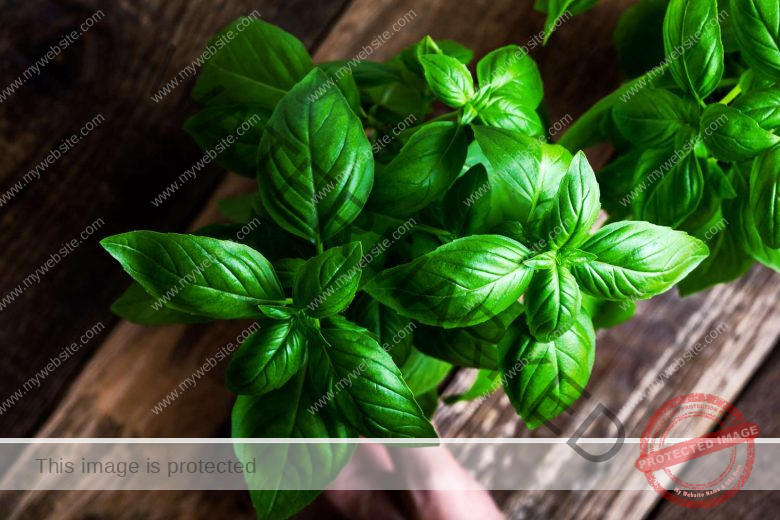
Sweet basil is the classic choice most gardeners start with. It grows fast, responds well to regular pruning, and thrives in warm weather. The leaves are soft, green, and perfect for everyday cooking. This variety is forgiving and ideal for beginners who want quick success. Keep pinching the tips and it will keep producing all season.
Genovese Basil
Genovese basil is the backbone of many Italian dishes. It grows slightly larger leaves than sweet basil and carries a stronger aroma. On my farm, this is the variety visitors recognize instantly. It prefers full sun and rich soil. Harvest often to prevent flowering and keep leaves tender.
Thai Basil
Thai basil stands out with its purple stems and spicy scent. The flavor is bolder and holds up well in hot dishes. This variety tolerates heat better than many others. It also flowers quickly, which attracts pollinators. Even when flowering, the leaves remain usable.
Lemon Basil
Lemon basil brings a bright citrus note that works beautifully in teas and salads. The leaves are smaller and lighter green. It grows quickly and benefits from frequent trimming. Lemon basil does well in containers and adds variety to small gardens without taking much space.
Lime Basil
Lime basil offers a sharper citrus flavor than lemon basil. It pairs nicely with fish and fresh dishes. The plant stays compact and manageable. In hot climates, it appreciates afternoon shade. Keep soil evenly moist for best growth.
Cinnamon Basil
Cinnamon basil has a warm, spicy aroma that surprises first time growers. The leaves carry hints of cinnamon without overpowering dishes. This variety grows upright and tall. It looks beautiful planted among vegetables or flowers. Harvest young leaves for best flavor.
Purple Basil
Purple basil adds color to the garden with deep violet leaves. The flavor is similar to sweet basil but slightly milder. It grows best in full sun where the color stays rich. Purple basil makes a striking garnish and works well in vinegars.
Red Rubin Basil
Red rubin basil is one of my personal favorites. The dark purple leaves hold their color even after cooking. This variety grows steadily and handles pruning well. It brings visual drama to beds and containers alike. Red rubin basil also attracts attention at farmers markets because of its bold appearance.
Greek Basil
Greek basil stays small and compact, making it ideal for pots and window boxes. The leaves are tiny but packed with flavor. It responds well to regular trimming and rarely grows leggy. This is a good choice for gardeners with limited space.
Holy Basil
Holy basil is often grown for tea and traditional uses. The leaves have a clove like scent and a slightly spicy taste. This variety grows taller and benefits from warm temperatures. It is more tolerant of pests than many other basils and can handle less than perfect conditions.
Lettuce Leaf Basil
Lettuce leaf basil produces large, crinkled leaves that look almost ornamental. The flavor is mild and slightly sweet. This variety grows quickly and provides big harvests from just a few plants. The leaves work well for wraps and fresh dishes.
Spicy Globe Basil
Spicy globe basil forms a neat round shape without much effort. The small leaves are intensely flavored. This plant is easy to maintain and rarely needs shaping. It fits well in decorative gardens and containers.
Dark Opal Basil
Dark opal basil is similar to red rubin basil but with a slightly different growth habit. The leaves are glossy and deep purple. It adds contrast to green vegetables and herbs. This variety prefers full sun and regular watering.
African Blue Basil
African blue basil is a hybrid that grows tall and woody over time. It has a strong aroma and produces purple flowers that bees love. While it does not set seed, it grows vigorously from cuttings. This basil works well as a perennial in warm climates.
Cardinal Basil
Cardinal basil stands out because of its bright red flower heads. The leaves are green with a mild flavor. This variety is grown as much for looks as for harvest. It adds structure and color to garden beds.
How to Choose the Right Basil for Your Garden
Start with your space and how you plan to use basil. If you cook often, focus on varieties with strong flavor. If space is limited, compact types like Greek basil work best. Mixing one or two colorful varieties with classic green basil keeps things interesting.
Planting and Caring for Basil at Home
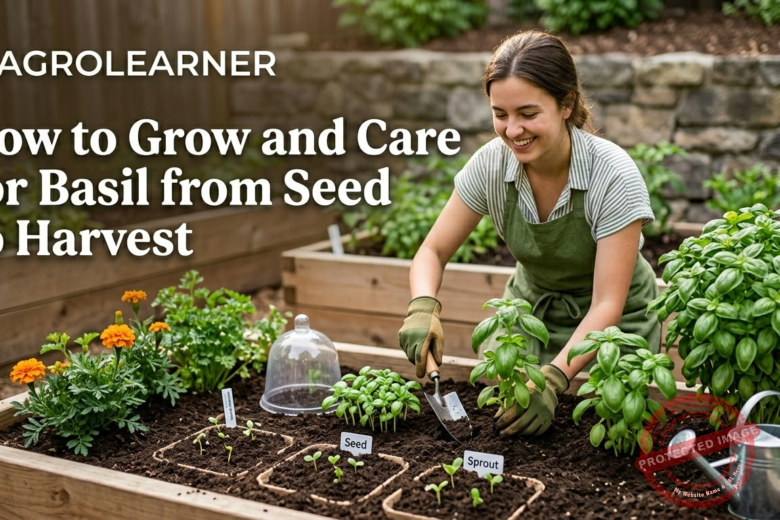
Basil prefers warm soil and plenty of light. Plant after the danger of frost has passed. Water consistently but avoid soaking the soil. Pinch growing tips early to encourage bushy plants. Good airflow helps prevent disease and keeps leaves healthy.
A Real Garden Moment
One summer, I planted red rubin basil next to sweet basil just to compare them. A friend visited and immediately reached for the purple leaves, assuming they were ornamental. When she tasted them, her face lit up. That moment reminded me how growing different varieties creates small surprises that make gardening feel alive.
Harvesting Basil Without Hurting the Plant
Harvest basil by cutting just above a leaf node. This encourages branching and more leaves. Never remove more than one third of the plant at a time. Regular harvesting keeps basil from flowering too early.
Growing Basil Indoors
Many basil varieties grow well indoors with enough light. Use a sunny window or grow lights. Indoor basil needs good drainage and regular trimming. Smaller varieties adapt best to indoor conditions.
FAQs About Growing Basil
Can I grow multiple basil varieties together?
Yes, as long as they receive similar light and water.
Does basil come back every year?
Most basil is grown as an annual, though some types last longer in warm climates.
Why does my basil flower so quickly?
Heat and stress trigger flowering. Regular harvesting delays it.
Can basil grow in partial shade?
It can, but growth and flavor improve with more sun.
Growing basil is one of the simplest ways to feel connected to your garden and your kitchen at the same time. Each variety brings something different to the table, whether it is flavor, color, or fragrance. Start with a few, add more as you gain confidence, and let your garden teach you what works best in your space. Which basil variety are you most excited to grow this season?