 Adewebs
If your main reason for keeping chickens is a steady supply of fresh eggs, choosing the right breed matters more than many beginners realize. Some chickens are naturally prolific layers, while others are better suited for meat, broodiness, ornamental purposes, or a balance of eggs and meat.
The good news is that you don’t need a huge flock to get plenty of eggs. With the right breed, good-quality feed, clean water, adequate housing, proper lighting, and sensible flock management, a small backyard flock can produce hundreds of eggs each year.
But which chickens are the best egg layers?
In this guide, we’ll look at 10 of the best egg-laying chicken breeds, including how many eggs you can reasonably expect, what color eggs they produce, their temperament, and what makes each breed worth considering. I’ll also explain an important point that is often overlooked: a breed’s advertised egg-production figure isn’t necessarily what every backyard flock will achieve.
What Makes a Good Egg-Laying Chicken?
Before choosing a breed, it helps to understand what actually makes a chicken a productive layer.
A good egg-laying breed generally has several characteristics:
- High annual egg production
- Early maturity
- Consistent laying
- Good feed-to-egg efficiency
- A relatively calm temperament
- Adaptability to different housing systems
- Reasonable resistance to common management stresses
- A manageable tendency to go broody
However, genetics is only part of the equation. Even an excellent laying breed can stop producing well if it is poorly fed, stressed, overcrowded, sick, overheated, or exposed to inadequate daylight.
For backyard keepers, I recommend looking beyond the biggest number on a breed chart and considering temperament, climate, egg size, egg color, housing conditions, and availability in your area.
10 Best Egg-Laying Chicken Breeds
1. Leghorn
If egg production is your number-one priority, the Leghorn deserves serious consideration.
Leghorns are famous for their ability to produce large numbers of white eggs while consuming relatively modest amounts of feed. They are active, alert birds and excellent foragers, which can make them particularly interesting for free-range systems.
A healthy Leghorn hen can produce roughly 250–300+ eggs per year, depending on genetics and management.
Egg color
White
Temperament
Leghorns are energetic and independent. They aren’t always the cuddliest backyard chickens, but their activity and excellent laying ability are major advantages.
Best for
- High egg production
- Free-range systems
- Farmers prioritizing efficiency
- Warm climates where active birds can perform well with proper heat management
One thing to know
Leghorns can be flightier than heavier breeds, so good fencing may be necessary if you want to keep them contained.
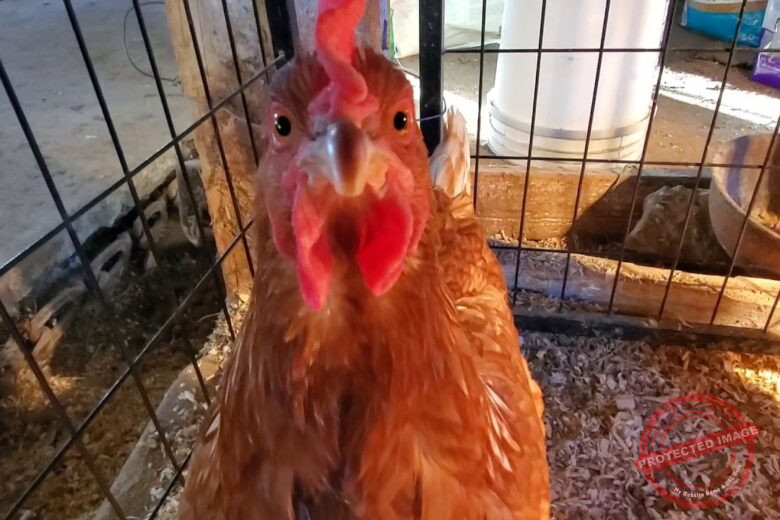
2. Rhode Island Red
The Rhode Island Red is one of the most popular dual-purpose chickens in small-scale poultry production—and for good reason.
These birds are hardy, adaptable, and dependable layers. Good hens can produce approximately 200–300 brown eggs per year, although production varies significantly between strains.
Rhode Island Reds are also useful if you want a chicken that provides both eggs and a reasonable amount of meat.
Egg color
Brown
Temperament
Generally active, hardy, and confident. Some roosters can be aggressive, so temperament should be considered when selecting breeding stock.
Best for
- Beginners
- Backyard flocks
- Dual-purpose production
- Free-range systems
Why I like them
They are a practical breed for people who don’t want a highly specialized layer. A well-managed Rhode Island Red flock can provide a reliable supply of eggs while remaining relatively versatile.
3. Australorp
The Australorp is an Australian breed that has earned a reputation as an outstanding egg producer.
Black Australorps are particularly well known, although the breed comes in several color varieties.
Under excellent conditions, some Australorps can produce 250 or more eggs annually, while ordinary backyard production will often be lower.
Egg color
Light brown to brown
Temperament
Generally calm and friendly.
Best for
- Backyard keepers
- Families
- Beginners
- People wanting a calmer productive breed
What makes Australorps special?
Their combination of good egg production, calm temperament, hardiness, and dual-purpose characteristics makes them one of the most balanced choices for a home flock.
4. Sussex
The Sussex is another excellent option for anyone who wants both eggs and meat from the same flock.
The breed comes in several varieties, with the Speckled Sussex being particularly popular among backyard keepers.
A productive Sussex hen can lay approximately 200–250 eggs per year, depending on genetics and management.
Egg color
Cream to light brown
Temperament
Usually calm, friendly, and curious.
Best for
- Families
- Backyard flocks
- Free-ranging
- Dual-purpose production
Sussex chickens also tend to be good foragers, making them attractive for keepers who allow their birds access to pasture or a secure outdoor run.
5. Plymouth Rock
The Plymouth Rock, particularly the Barred Plymouth Rock, is a classic American backyard chicken.
It combines respectable egg production with good meat characteristics and a generally manageable temperament.
A good hen can produce around 200–280 brown eggs per year.
Egg color
Brown
Temperament
Generally calm and friendly.
Best for
- Beginners
- Families
- Backyard poultry keepers
- Dual-purpose flocks
A practical advantage
Plymouth Rocks are often easier for beginners to manage than very active breeds. They can adapt well to different housing arrangements when provided with enough space, clean water, good nutrition, and protection from predators.
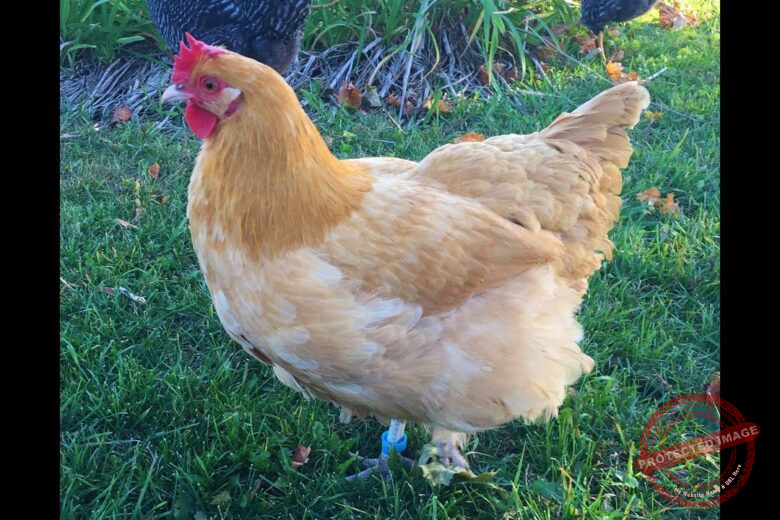
6. Golden Comet
If your primary goal is lots of eggs, commercial hybrid chickens such as the Golden Comet can be extremely productive.
Golden Comets are not a traditional standardized breed in the same sense as Rhode Island Reds or Leghorns. They are generally hybrid laying chickens selected for high production.
Depending on the strain and management, they may produce 250–300+ eggs per year, particularly during their first productive years.
Egg color
Brown
Temperament
Usually friendly, docile, and relatively easy to handle.
Best for
- Backyard egg production
- Beginners
- Small farms
- Keepers wanting high production quickly
The trade-off
High-producing hybrids can be fantastic layers, but their production may decline noticeably after their peak laying period. If your goal is long-term breeding and maintaining a traditional breed, a heritage breed may be more appropriate.
7. ISA Brown
The ISA Brown is another highly productive commercial layer.
These chickens were developed specifically with egg production in mind and are widely used in commercial poultry systems.
Under appropriate commercial or well-managed conditions, ISA Browns can produce very high numbers of brown eggs, particularly during their peak laying period.
Egg color
Brown
Temperament
Generally docile and easy to manage.
Best for
- Commercial egg production
- Small-scale farmers
- Backyard keepers prioritizing production
Important consideration
ISA Browns are bred for laying performance rather than maintaining a traditional breeding line. If you’re looking for chickens primarily for home egg production, however, their productivity can be very attractive.
8. Orpington
The Orpington isn’t usually the first breed people mention when discussing maximum egg production, but it deserves a place on this list because of its combination of respectable laying ability and excellent temperament.
Depending on the strain, an Orpington hen can produce roughly 180–250 eggs per year.
Egg color
Light brown
Temperament
Calm, friendly, and generally easy to handle.
Best for
- Families
- Backyard flocks
- Beginners
- Keepers who value temperament as much as production
Orpingtons are also relatively large birds, so they require adequate space and shouldn’t be kept in cramped conditions.
9. Wyandotte
The Wyandotte is a beautiful dual-purpose breed that can provide a respectable number of eggs while also contributing meat to the household.
A good Wyandotte hen may produce around 180–250 brown eggs annually.
Egg color
Brown
Temperament
Generally calm, although individual birds can vary.
Best for
- Backyard flocks
- Cold-weather regions
- Dual-purpose production
- Keepers who want attractive birds
Their heavier body and relatively compact feathering can also make them useful in cooler environments, although all chickens still need proper ventilation and protection from extreme weather.
10. Australorp Crosses and Other Productive Hybrids
If your only goal is maximizing the number of eggs you collect, don’t overlook modern laying hybrids.
Commercial hybrids have been selected over generations for characteristics such as:
- High egg production
- Efficient feed conversion
- Early maturity
- Consistent laying
- Uniform egg size
- Predictable production
Depending on the particular hybrid, management system, and genetics, highly productive layers can produce well over 250 eggs per year during peak production.
Examples commonly encountered by poultry keepers include ISA Brown, Lohmann Brown, Golden Comet, and other locally available commercial layer strains.
The exact name matters less than the quality of the hatchery or breeder and the strain being sold.
Egg-Laying Chicken Breeds Compared
| Chicken Breed | Approx. Eggs/Year | Egg Color | Temperament | Best Use |
|---|---|---|---|---|
| Leghorn | 250–300+ | White | Active | Egg production |
| Rhode Island Red | 200–300 | Brown | Active | Dual-purpose |
| Australorp | 200–300+ | Brown | Calm | Eggs & backyard |
| Sussex | 200–250 | Cream/Brown | Friendly | Dual-purpose |
| Plymouth Rock | 200–280 | Brown | Calm | Backyard |
| Golden Comet | 250–300+ | Brown | Docile | High production |
| ISA Brown | 250–300+ | Brown | Docile | High production |
| Orpington | 180–250 | Light brown | Very calm | Backyard/family |
| Wyandotte | 180–250 | Brown | Calm | Dual-purpose |
| Commercial hybrids | 250+ | Depends on strain | Usually docile | Maximum production |
Remember: these figures are approximate. Actual production depends on genetics, age, nutrition, disease control, housing, climate, daylight, stress, and overall flock management.
Which Chicken Breed Lays the Most Eggs?
If you’re asking strictly about maximum egg production, commercial hybrid layers generally have the advantage.
Breeds and strains such as ISA Brown, Golden Comet, and other commercial layer hybrids can produce exceptionally high numbers of eggs, particularly during their first laying cycles.
Among traditional breeds, Leghorns and Australorps are strong choices for people who want excellent laying ability without relying entirely on commercial hybrids.
But there’s an important distinction:
The chicken that lays the most eggs isn’t automatically the best chicken for your farm.
A breed that produces 300 eggs a year but struggles in your climate, requires expensive feed, or doesn’t suit your management system may be less useful than a hardy bird producing 220–250 eggs consistently.
What Chicken Lays the Largest Eggs?
Egg size varies between individual birds and strains, but several breeds are known for producing relatively large eggs.
These include:
- Rhode Island Red
- Plymouth Rock
- Sussex
- Australorp
- Orpington
- Wyandotte
However, egg size and egg number often involve a trade-off. A chicken producing very large eggs isn’t necessarily the chicken producing the greatest total number of eggs.
For commercial production, egg weight, shell quality, number of eggs, and feed efficiency are all important.
What Chicken Breed Lays White Eggs?
If you specifically want white eggs, the Leghorn is one of the most recognized choices.
Other breeds can produce white or off-white eggs, but Leghorns remain particularly well known for combining white eggs with excellent laying performance.
Eggshell color doesn’t tell you whether an egg is more nutritious. The nutritional value is influenced much more by factors such as the hen’s diet and overall production system than whether the shell is white or brown.
What Chicken Breed Lays Brown Eggs?
Many popular backyard breeds lay brown eggs, including:
- Rhode Island Red
- Australorp
- Plymouth Rock
- Sussex
- Wyandotte
- Orpington
- ISA Brown
- Golden Comet
The shade can range from light tan to deeper brown depending on the breed and individual hen.
How to Get Your Chickens to Lay More Eggs
Even the best laying breed needs proper management.
1. Feed a Balanced Layer Diet
Once pullets reach the appropriate laying age, they need a nutritionally balanced layer ration.
Avoid relying heavily on household scraps, maize, grains, or other single ingredients. These can dilute the nutritional quality of the overall diet.
A good layer feed should provide appropriate levels of:
- Protein
- Energy
- Calcium
- Phosphorus
- Vitamins
- Trace minerals
2. Provide Clean Water at All Times
Water is easy to underestimate.
A laying hen consumes substantial amounts of water, and consumption can increase significantly during hot weather.
Dirty, restricted, or contaminated water can quickly affect flock performance.
3. Keep the Coop Well Ventilated
Good ventilation removes moisture, ammonia, and excess heat without creating harmful drafts.
This becomes particularly important in hot climates.
4. Reduce Stress
Chickens respond poorly to chronic stress.
Predators, overcrowding, excessive handling, sudden feed changes, parasites, disease, heat stress, and constant disturbance can all reduce production.
5. Provide Adequate Nesting Boxes
Give hens clean, quiet nesting areas.
As a general starting point, one nest box for every 4–5 hens is often sufficient, although flock behavior and housing design can affect the ideal ratio.
6. Control Parasites and Disease
A chicken that looks healthy can still be affected by parasites or other health problems.
Regularly observe your flock for changes in:
- Appetite
- Droppings
- Comb color
- Body condition
- Activity
- Feather condition
- Egg production
Early detection is much easier than trying to recover a flock after a serious outbreak.
7. Manage Heat Stress
This is especially important for poultry keepers in hot regions.
During periods of extreme heat, chickens may eat less while drinking more, and egg production and shell quality can decline.
Provide:
- Shade
- Cool, clean drinking water
- Good airflow
- Adequate ventilation
- Sufficient space
- Protection from direct afternoon heat
Do not assume that a heat-tolerant breed can simply be left in extreme heat without management.
When Do Chickens Start Laying Eggs?
Most chickens begin laying somewhere around 18–24 weeks of age, although the exact timing varies by breed, genetics, nutrition, body development, season, and management.
Commercial hybrids may begin laying earlier than some traditional or heritage breeds.
Signs that a pullet is approaching laying age can include:
- Development of the comb and wattles
- Increased interest in nesting areas
- Squatting behavior
- Changes in body shape
- More mature appearance
Don’t force immature pullets into production through poor feeding practices. Healthy development should come first.
How Long Do Chickens Keep Laying?
A hen’s egg production typically peaks during her first year of laying and gradually declines afterward.
This doesn’t mean an older hen suddenly stops laying. Many hens continue producing eggs for several years, but usually at a lower rate.
This is one reason commercial egg farms often manage flocks differently from backyard keepers. A commercial operation has to consider production economics, while a backyard keeper may happily keep an older hen because she is healthy, friendly, or valuable to the flock.
Should You Choose a Breed or a Hybrid Layer?
This is one of the most important decisions for a new chicken keeper.
Choose a traditional breed if you want:
- A breeding flock
- Dual-purpose characteristics
- Longer-term flock development
- Heritage genetics
- A particular appearance
- Broodiness or natural behaviors
Choose a commercial hybrid if you want:
- Maximum egg production
- Fast maturity
- Consistent production
- Efficient egg production
- Easy-to-manage laying hens
There isn’t one universally “best” chicken.
The right choice depends on why you’re keeping chickens.
My Top Picks for Different Chicken Keepers
Best for maximum egg production
ISA Brown or another proven commercial layer hybrid
Best traditional breed for egg production
Leghorn
Best all-around backyard chicken
Australorp
Best dual-purpose option
Rhode Island Red or Plymouth Rock
Best family-friendly option
Orpington or Sussex
Best white-egg layer
Leghorn
Best brown-egg producers
Rhode Island Red, Australorp, ISA Brown, and Golden Comet
Final Thoughts
Choosing an egg-laying chicken isn’t simply a matter of finding the breed with the biggest production number.
A productive flock is the result of good genetics combined with good management.
If your priority is maximum egg production, commercial hybrids such as ISA Browns and Golden Comets are difficult to ignore. If you prefer a traditional breed, Leghorns, Australorps, Rhode Island Reds, and Plymouth Rocks offer excellent alternatives.
And if you’re raising chickens in a hot climate, don’t forget to put heat management, ventilation, shade, water availability, and disease prevention high on your list when choosing and managing your flock.
Ultimately, the best egg-laying chicken breed is the one that fits your climate, your housing system, your feed budget, your management skills, and what you actually want from your flock.
Frequently Asked Questions
What is the best chicken breed for laying eggs?
For maximum production, commercial hybrids such as ISA Browns and Golden Comets are excellent choices. Among traditional breeds, Leghorns and Australorps are strong egg-laying options.
Which chicken lays 300 eggs a year?
Some commercial hybrid layers can approach or exceed 300 eggs per year under excellent management. Actual production varies by strain, age, nutrition, climate, and management.
What chicken lays the most eggs naturally?
Leghorns are among the most productive traditional breeds, while modern commercial hybrids are generally bred specifically to maximize egg production.
Which chicken breed is best for beginners?
Australorps, Plymouth Rocks, Rhode Island Reds, and Sussex are good choices for beginners because they combine useful egg production with generally manageable temperaments.
What chicken lays the best brown eggs?
Rhode Island Reds, Australorps, Plymouth Rocks, Sussex, and commercial brown-egg hybrids are all popular choices. The exact shade and production level vary by strain.
Can chickens lay eggs every day?
A hen can sometimes lay an egg on consecutive days for extended periods, particularly during peak production, but no hen reliably lays exactly one egg every day throughout the year. Egg formation takes roughly 24–26 hours, and laying naturally varies.
Do chickens need a rooster to lay eggs?
No. Hens do not need a rooster to produce eggs. A rooster is required only if you want the eggs to be fertile and hatch chicks.